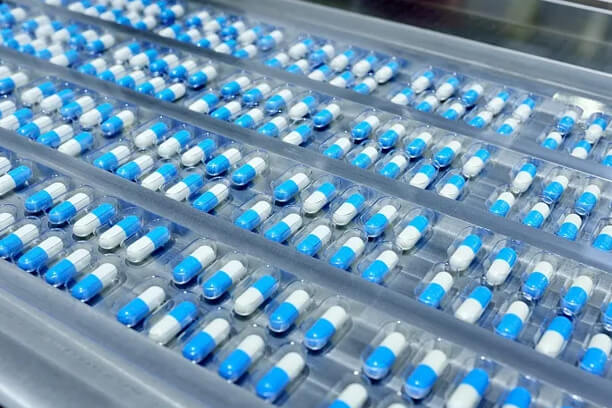
10+ Years in Chemical Export
30+ Successful Shipments Worldwide
ISO-Certified Quality Management
Trusted by 100+ Industrial Clients
Our quality system adheres to ISO 9001 and GMP frameworks. Raw materials require verification of a third-party Certificate of Accreditation (COA) upon arrival, and production processes follow Standard Operating Procedures (SOPs) and batch records. All products come with a COA, MSDS, and TDS.
Leveraging the end-to-end production capabilities of our own certified factories, we can reliably guarantee order delivery with a standard lead time of 30-45 days, and maintain regular inventory of products. Furthermore, we can provide a complete set of export documents, including certificates of origin and declarations of conformity, to help clients efficiently complete customs clearance at the destination port.
Technical support covers the entire product introduction cycle:
1) Free samples provided;
2) Formula adjustment suggestions for issues such as agglomeration, dissolution rate, or purity;
3) Customized consultation and production based on your target specifications.
We integrate sustainable practices throughout our manufacturing processes, focusing on raw material control, safe production, emission reduction, and regulatory compliance. Our facilities operate under strict quality and environmental standards to ensure responsible and reliable chemical supply.
Our Sustainable Development
We continuously develop new chemical solutions and refine processes to meet evolving industry demands.

Our operations prioritize environmental stewardship, responsible sourcing, and long-term resource efficiency.

Consistent quality, stable supply, and responsive support ensure our partners can trust us in every project.
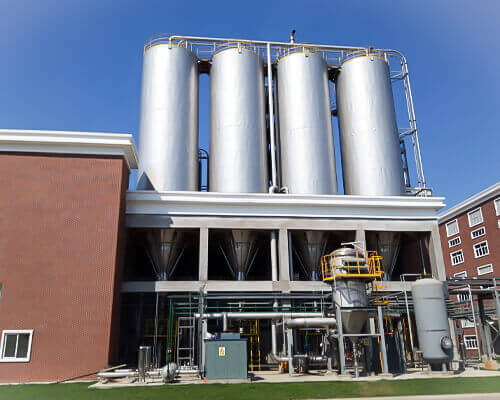
As someone on the manufacturing floor, you notice shifts in the lactic acid industry long before the headlines. Watching Anhui BBCA & Galactic Lactic Acid Co., Ltd. evolve over recent years brings a clear reminder of what industrial-scale ambition looks like in practice. BBCA’s expansion into bio-based materials signals much more than a regional power move—it puts real pressure on supply chains and R&D across the globe. The combined strengths of BBCA, as a leader in bio-fermentation, and Galactic’s long-standing European expertise in lactic acid production, set a strong precedent. Historically, most lactic acid production concentrated either in the Americas or Europe, driven by health, food, and packaging sectors. BBCA & Galactic’s large-scale joint ventures have reshaped this dynamic. It’s not a minor adjustment—this has forced established manufacturers to revisit process integration, from glucose input to end-product tailoring. BBCA’s scale, including vertically integrated access to raw feedstocks, has led to downward price pressure and greater capacity. As a manufacturer, this means sharing the stage with a partner who controls upstream crops through to high-purity acids, with enough in-house technology to carve out unique formulations for both food additives and polymers like polylactic acid (PLA). Teams directly involved in fermentation processes often point to BBCA & Galactic’s investment in strain development and sustainability. Their fermentation optimization shows what high-throughput, cost-efficient production looks like when you throw large resources at both pilot and full-scale lines. Corn-based fermentation remains their backbone, but steady movement towards cellulosic and waste biomass inputs is not out of reach for factories equipped for flexibility. From a technical eyeshot, consistency in lactic acid quality and yield often comes down to subtle handling—agitation speeds, pH control, carbon source preprocessing—that only experienced operators can truly fine-tune. BBCA & Galactic’s process engineers have pushed these parameters hard and repeatably, setting new expectations for batch throughput and waste handling. Industry standards continue to evolve in response to their benchmarks. When companies of this scale start producing food-grade and industrial-grade acids side by side, the pressure to meet both ISO and food safety requirements climbs. It has forced many manufacturers to re-evaluate traceability, from fermenter inputs all the way to packaging. Hot topic within trade bodies remains the non-GMO sourcing, especially in high-purity extracts for healthcare and cosmetic sectors. Emerging regulations in Europe and North America point to cradle-to-gate transparency; BBCA & Galactic’s integrated supply chain structure means they can respond directly and rapidly to compliance audits, something still painful for less vertically organized groups. With BBCA & Galactic’s expanded capacity, oversupply in Asian and global markets has real consequences for pricing. By managing costs at a macro scale, this joint venture has reset the bar for competitive pricing, making it harder for regional players lacking that in-house fermentation muscle to compete on volume or cost. Price compression, especially for industrial raw lactic acid, forces a sharp look at cost breakdowns—from energy to labor to effluent treatment. Even larger incumbents feel the squeeze; stories circulate of cutbacks, re-investment in process efficiency, or pivoting to specialty, high-margin lactic derivatives just to dodge head-to-head price wars. Population growth and changing diets in India and Southeast Asia have increased demand for both raw and value-added lactic derivatives. Manufacturers with eyes on these regions now run into BBCA & Galactic more often; not just as suppliers, but as shapers of local pricing and logistics. For those of us running mid-size fermentation plants, it becomes essential to move up the value chain, targeting applications where close process control or boutique ingredients give some advantage against pure scale. There’s a growing push to pivot capacity toward higher-end pharmaceutical grades, optical purity versions for bioplastics, and customized blends for specific food preservation uses. One challenge sits in the increased scrutiny around emissions and side-stream valorization. Large plants like BBCA & Galactic’s are under microscopes to not only handle scale, but to account for every byproduct stream. As land and water use become more closely watched, even small incidents ripple through the supply chain. Many factories are still learning the ropes on nutrient recovery, biogas integration, and leveraging spent microbial biomass as feed or fertilizer. People on the ground hear the push from management—tighten up fluxes, learn to valorize waste—since regulatory eyes and customer audits ask for it with more urgency every year. There’s opportunity in specialization that responds unflinchingly to the new normal. Research teams are spinning more time into enantiomerically pure (L) and (D) lactic acid for high-strength PLA and targeted medical polymers. Some outfits have started deploying continuous fermentation just to stay in the running on energy consumption and footprint. Open dialogue with customers—especially global brand owners—shows a clear demand for bioplastics with lower carbon intensity and cradle-to-gate life cycle clarity. Only those with real-time data, investment in process control, and ambition to close the loop on byproducts continue to survive the price competition set by the likes of BBCA & Galactic. For those who have spent time over process tanks or in QA labs, the signals from BBCA & Galactic’s growth force a continuous upgrade of both tools and attitudes. Strict routines for sterility and traceability, once reserved for specialty lines, are now table stakes across the board. Plant staff keep refining their game, driving deep into predictive maintenance, digital twins, and process intensification to cut costs without cutting corners. Investors demand it, and customers expect it. Relationships between raw material farmers, biotech process engineers, and logistics planners keep tightening. Partnerships once based on price sheets are now built on shared traceability data, linked greenhouse gas ledgers, and joint innovation labs looking for the next jump in both cost and performance. As BBCA & Galactic rewire expectations, a working manufacturer has little choice but to keep pace or risk irrelevance. Knowledge moves fast in this industrial world; being late to adapt simply isn’t something the plant can afford—not with customers and regulators pushing hard for clean, scalable, and repeatable bio-chemistry at the heart of tomorrow’s industrial economy. CONTACT INFORMATIONWebsite:https://www.anhui-bbca.com/Phone:+8615371019725Email:sales7@bouling-chem.com
Continue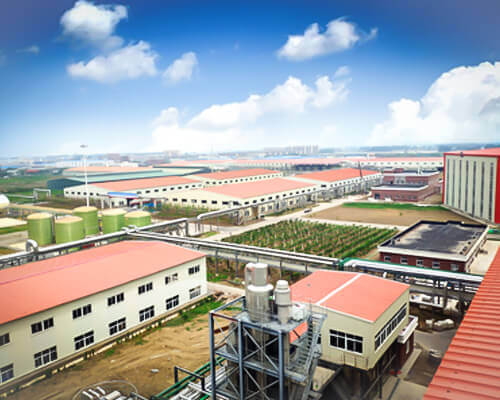
At our production plant, the journey from crop to citric acid stands as a daily challenge—not only technical, but also shaped by changing markets and supply chain shakes. Factories like ours track crop yields in provinces such as Anhui just as closely as energy consumption curves. Unlike traders who only see a price on a spreadsheet, we smell the sugars used for fermentation, study the color of mash, and hear every pump carrying feedstock into the fermenters. For the past few years, Anhui BBCA has led global headlines by scaling citric acid supply and often setting the tone for export pricing in China. Their operational scale didn’t appear overnight. Setting up large fermenters, balancing yeast health, keeping bacterial contamination away—all lessons reshaped by batches lost or saved in the fermentation room. If news hits about a BBCA plant maintenance shutdown in Anhui, the entire sector feels the aftershock. This affects not just exporting, but also dominoes out to food, beverage, and pharma buyers. Our orders spike, or drop, as buyers hedge against uncertain output from one of the world’s largest production hubs.People outside the factory gates might see citric acid as a simple commodity, but on the plant floor each decision piles up. Consider the case last year when transport disruption squeezed the movement of feed corn into Anhui. Overnight, yield forecasts changed not because fermentation technology failed, but because the cost of bringing in clean glucose shot up. Factory managers recalibrate hourly, watching warehouses dwindle and calling for expedited shipments that further erode margins. BBCA’s vast plants can buffer the storm better than smaller outfits, simply by running inventory deeper, but weak crops still squeeze everybody. When the news highlights BBCA, the real story includes those constant adjustments: more intensive lab checks, longer shifts, and negotiation with logistics teams for every ton of finished acid leaving the gates. Over years, this hardens a plant team’s instinct for efficiency, safety, and quality. Any slip—be it a failed filtration batch or non-conforming pH report—turns into a substantial hit, not just for one buyer, but for every customer down an international pipeline. Manufacturers like us never rely on slogans or gold-embossed mission statements hanging in hallways. Instead, quality assurance takes over every corner of the floor. Real audits don’t happen only at the invitation of overseas buyers; sometimes an inspector walks in after reading about BBCA bagging another export volume record. They dig into our documentation, scrutinizing not only batch records but also raw water reports, waste water discharge, temperature logs, and fungus strain lineage charts. In an industry where BBCA sets a benchmark, manufacturers adopt a permanent posture of readiness for any pop audit. This can mean sudden equipment upgrades, operator retraining mid-campaign, or changing 15-year-old protocols after a rival’s recall story blows up overseas. Facts matter here—if just one analysis slips under acidity or exceeds heavy metal limits, the entire shipment holds back. Food and pharma buyers count on unwavering reliability. Regulatory agencies in Europe and North America expect us to explain each deviation with full traceability, not just a phone call. Real commitment shows in how a company responds to these invisible pressures long after the headlines lose their shine.Large-scale citric acid production has forced Anhui and BBCA to rethink process waste, water draw, and emissions. Our team faces these stakes every month during emissions testing and water treatment monitoring. Some critics argue high-volume chemical plants sidestep responsibility, but the pace of environmental upgrades at BBCA suggests the opposite. It isn’t just about earning a green mark for a slide deck, either. Raw statistics haunt every environmental engineer; for example, a spike in COD levels means re-working effluent streams and overhauling biotreatment, sometimes overnight. Smaller plants look at BBCA’s investments—methane recovery, closed-loop cooling systems, feedstock utilization rates—and find both caution and motivation. Regulation bites hardest at companies who ignore these changes. That means, for us, environmental controls carve out large parts of the annual spending plan. Water recirculation, solvent traps, and zero-discharge planning make or break a company’s reputation and license to operate. The pressure to match BBCA’s environmental reporting pushes all manufacturers to higher transparency: every monitoring record, each complaint log, ends up reviewed and inspected. This feedback cycle forces momentum not just to keep up, but to lead if possible. A global player like BBCA doesn’t shape only domestic pricing but drives R&D forward. For years, as citric acid prices swung up and down, hundreds of manufacturers tried to undercut leaders on price, sometimes at the cost of product purity or stability. True manufacturers dig deeper for an edge; trading margins never replace process reliability or yield improvements. To stay competitive, we invest in cleaner fermentation strains, improved aeration systems, and better downstream separation. Pressure from BBCA’s scale and cost control means continuous search for value, not only in yield but also waste minimization and product consistency—factors that matter a lot more to buyers than a few dollars shaved off per ton. The push for real innovation also means closer partnerships with reagent suppliers, analytics firms, and even universities, to turn out breakthroughs like higher-purity monohydrate or functional citrates tailored by application. While competitors eye only today's price, manufacturers fixate on tomorrow’s breakthrough—one that could shift the terms of trade for years.Any news about Anhui BBCA ripples across the whole industry with an effect that outlasts the press cycle. Citric acid doesn’t just flavor sodas or stabilize pills; for thousands of factory workers, supervisors, scientists, and farmers, it supports daily life. Every hiccup or leap at BBCA influences plant operation rates everywhere else. If they shut a line or open a new facility, the phone lines light up at our procurement office. The supply chain stretches from corn harvesters to dockside stevedores, and news from Anhui can trigger late-night calls across three time zones as buyers look to secure stock. For those of us committed not just to output but to the long-term health of the whole value chain, the real opportunity comes in building more robust, transparent, and resilient systems from soil to finished goods. Manufacturing is never static, and neither is the story of BBCA in Anhui. Keeping focus on continuous improvement, real-world quality, and credible environmental responsibility builds trust that outlasts the news of the day.
Continue
Our days often start amid the hum of rotary filters and the steady rhythm of control panels. In chemical manufacturing, people like to talk about equipment and technology as if they are the full story, but real trust in products like BBCA Duamin Infusion grows from layers of careful decisions that begin well before the raw goods even arrive. In a facility like ours, each drum and tank holds more than liquid; they carry the responsibility of supporting lives, especially in hospitals counting on safe infusions. It’s not uncommon to hear outsiders talk about Duamin solutions as if any batch would do. Real production shows us the difference: one impurity hiding in a line, a slip in routine filter tests, or the wrong temperature during mixing can change the story. Operators spend as much time double-checking documentation as they do working levers because consistency depends on more than just machines; it requires trained hands who know what a “good day” should look like, and who catch small mistakes before they grow.There’s no autopilot in an active infusion line. The market often expects zero-defect products, and for a manufacturer, that outlook shapes every decision. Chemicals used in intravenous drips never get a grace period. Each batch undergoes a sequence of in-line checks, particulate monitoring, and top-to-bottom sample pulls. The team recognizes that contamination threats come from everywhere: minor fluctuations in warehouse humidity, unnoticed oxide on a pump fitting, or the slow accumulation of glove powder during filling shifts. Everyone on staff knows stories of how an off-spec drum led to costly recalls or even a single rejection from a hospital client. The learning curve forces us to adopt new habits—routine retraining, advanced sterile zone access, and tighter capped lines for all bulk storage. The urge to cut a corner for speed never really goes away unless management and floor staff work hand-in-hand, making it clear that maintaining the chain of control is a shared investment in the plant’s future.Much of the public doesn’t see the layers behind an infusion-grade product, yet these details separate trustworthy suppliers from everyone else. Incoming raw materials trigger a stream of third-party and in-house analyses. Our own experience with supplier inconsistencies forced us to tighten scrutiny—driving surprise audits, lot-by-lot verification, and occasional batch rejections despite high costs. Release samples are stored for long-term stability checks, and we backtrack the entire production chain if any deviation surfaces in the laboratory months later. This is not paperwork for paperwork’s sake; it is a real safeguard that protects patients downstream. Many years ago, we had a near-miss with a delivery delayed due to transport temperature drift. That event reinforced that trust means stepping beyond routine. It means developing backup plans, like dual-site storage and real-time tracking. Our sense of safety is built from scars as much as from routine success.Regulations change quickly in the chemical sector, and infusion solutions face some of the world’s toughest safety frameworks. Each time an agency revises its rules, the shift trickles through the factory, often sparking difficult decisions about process investment and documentation. Every new requirement raises costs and complicates workflows, but as actual manufacturers, we feel the direct operational weight. In the last national inspection cycle, our staff worked night and day to finish validation rewrites, update batch records, and requalify old storage tanks. The cost ran into millions, but none of us doubted the value. Watching the global market, we see less committed players trying to skirt these upgrades, cutting out quality checks or skipping redundancies. Over time, those shortcuts catch up. Trusted hospitals and major wholesalers only grow more selective, preferring documented long-term performers. As competition heats up, only facilities embedding quality into routine work survive the cyclical swings and price wars.No automated system fully replaces lived knowledge from years on the production floor. In our operation, veteran operators regularly spot anomalies in solution color, subtle shifts in viscosity, or odd smells that get missed by instruments. Some international standards ask for clear lab data but overlook the countless “unwritten rules” that keep batches safe. Our longest-serving employees mentor every new hire, teaching them to trust both their training and their instincts. As markets demand larger quantities and more rapid turnaround, there’s always pressure to automate and rely on data analytics. We embrace technology, yet our best days come from merging automation with human vigilance—down to opening a valve at just the right time or recognizing a faulty sterilizer gasket before a real problem arises. These habits separate consistent output from labs that only aim for compliance.Buyers and end-users grow savvier each year. Detailed traceability has shifted from a rare ask to a basic expectation for any reputable infusion chemical. Our own experience shows that clear supply chain transparency reassures long-term partners, especially during recalls elsewhere in the market. Questions about feedstock origin, production waste handling, and carbon emissions now shape purchasing choices, not just price or supply volume. Responding to these concerns led us to invest in more energy-efficient reactors and lower-emission sterilization protocols, reducing our own environmental footprint. These adjustments didn’t come overnight—years of trial, failure, and process tweaking inform everything we do. Even as supply lines tighten and input costs rise, staying ahead means tracking not just regulatory shifts but changing public expectations as well. Every ton we ship connects us not just to delivery contracts, but to the real people depending on safe, reliable Duamin infusion products in clinics and hospitals.
Continue







Feel free to call us
+8615371019725 sales7@bouling-chem.com