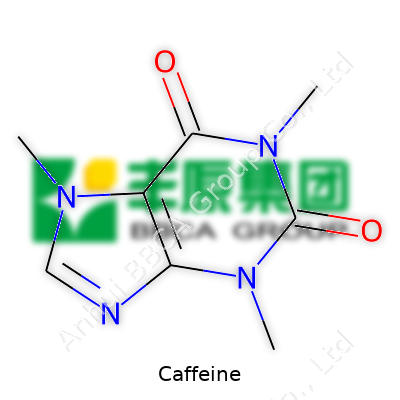
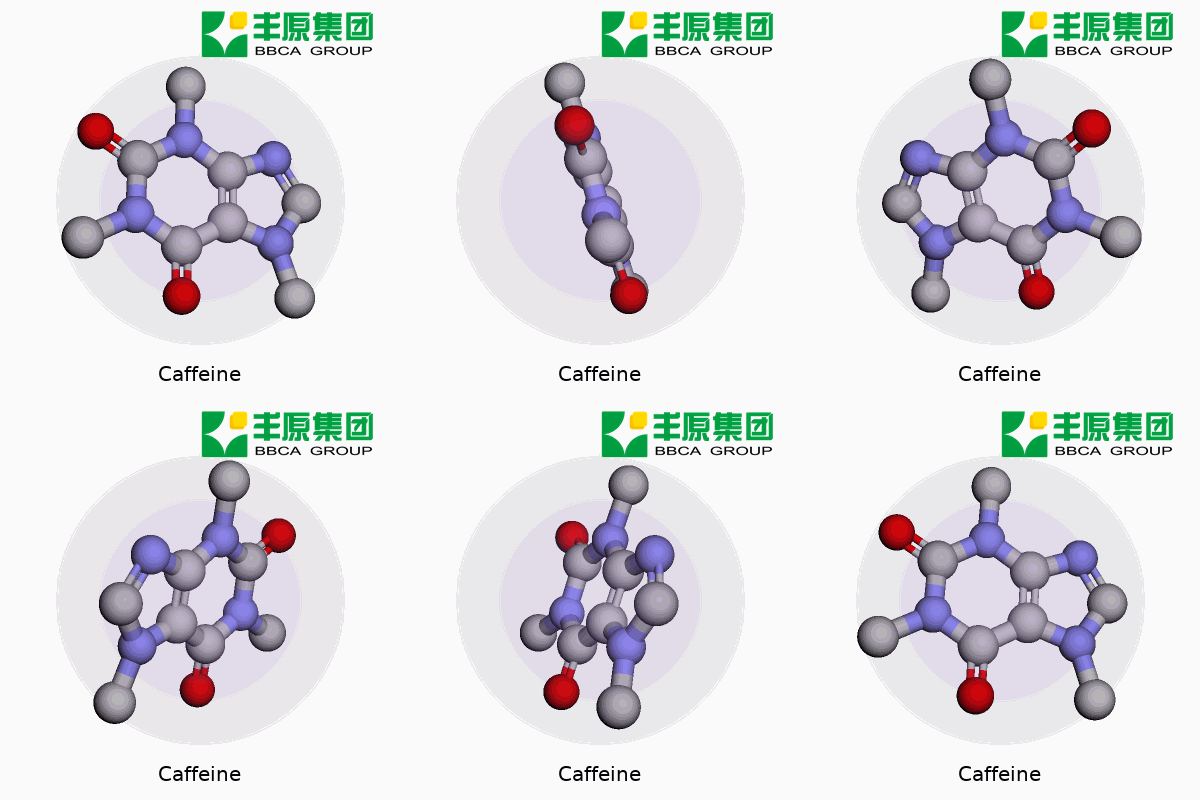
Few molecules have traveled through world history like caffeine. As a manufacturer deeply engaged in the production and refinement of caffeine, we recognize its origins stretch from the forests of Ethiopia, where coffee was first cultivated, to tea-drinking traditions across Asia, and on to the laboratories of 19th-century Europe where chemists isolated the active stimulant. During the Enlightenment, increased interest in alkaloid chemistry led to the isolation of caffeine by Friedlieb Ferdinand Runge in 1819, forming a foundation for industrial-scale production. Our knowledge grows out of decades of both academic and practical work: learning from the plant itself, analyzing how different extraction methods influenced yields, and following the scientific literature on alkaloid purification. These explorations allowed us to transition from reliance on raw botanical materials toward refined synthetic routes, leading to reliable, scalable production suited for pharmaceuticals, beverages, and specialty formulations.
Caffeine, known chemically as 1,3,7-trimethylxanthine, stands out for both its psychoactive properties and its role as an additive across many sectors. From our experience, caffeine in its refined crystalline form remains in steady demand from food and pharmaceutical companies. Consumer perception vacillates—some see caffeine as an essential daily boost, others view it through the lens of health and wellness debates. Our facility maintains strict controls on purity, as even minuscule amounts of residual solvents, heavy metals, or cross-contaminants can affect downstream applications. Caffeine-based products reach far beyond beverages; we see orders for cosmetics, personal care goods, and even specialty lubricants where its molecular traits prove valuable.
Our experience confirms that high-purity caffeine forms odorless, white, needle-like crystals with a melting point near 238°C. Solubility in water rises dramatically with heat—crucial for beverage formulations. In the powder room, minor fluctuations in relative humidity influence flow and handling, an overlooked operational detail until you have ten tons of caffeine to store through a sticky monsoon. Caffeine remains stable under anhydrous conditions and moderate temperatures, but sustained exposure to strong acids or bases initiates degradation and so, keeping the raw material dry and sealed maximizes shelf life. Its characteristic chemical inertness in neutral solutions means it weathers many manufacturing processes without complaint.
Industry requirements drive our daily quality checks. Every lot passes through chromatography for purity and residual solvents per international pharmacopeial standards. Typical specs demand over 99% purity by HPLC, limits on lead, arsenic, and mercury, and tight controls on microbial contamination. Clear labeling directs our downstream users—each bag or drum comes with unique batch numbers, expiry dates, and cautionary notices on stimulant content. The labeling process also reflects a long history of regulatory evolution, as consumer safety standards toughen. To keep trust, we document every critical stage and trace every shipment with digital batch management, recognizing that any deviation can mean a recall for customers or unanticipated health risks.
Our methods cover both extraction from botanical sources and chemical synthesis. Coffee and tea remain major caffeine sources, with extraction run via water, supercritical CO2, or organic solvents. First, filtration pulls plant solids from the mixture; then, solvent partitioning separates caffeine from related alkaloids and waxes. After solvent removal by evaporation, multiple crystallizations achieve the desired purity. Synthetic routes start from dimethylurea and malonic acid derivatives, allowing for tighter control when botanical supply faces global price swings. Each process step demands experience: extraction operators monitor color, pH, and flow; QA chemists verify the absence of pesticides or other residues not stripped by the primary process.
Caffeine’s core structure, a methylated xanthine, can be tailored through demethylation or substitution reactions. We’ve produced theophylline and theobromine via controlled demethylation for specialized use in medicine. In the lab, exposure to concentrated acids or alkalis opens the purine ring, forming uric acid derivatives—useful in research but not standard for bulk manufacturing. Further modification, such as methyl group exchange, supports the development of extended-release formulations or prodrugs. Managing these transformations, we balance the needs of scale—lacking the space for high-risk chemistry in typical days, but leveraging small-batch expertise for niche requests.
Across global markets, caffeine travels under numerous names. Customers might order methyltheobromine, guaranine, or mateine, all referencing caffeine derived from different plant origins. In our documentation, 1,3,7-trimethylxanthine serves as the chemical foundation; blend names adapt to downstream applications—“anhydrous caffeine” for dry blends, or customized names for sports nutrition or pharmaceutical lines. These synonyms carry marketing and regulatory baggage: some markets restrict natural plant extracts but permit chemically identical synthetic caffeine, requiring close attention to nomenclature on every label and customs form.
Producing caffeine at scale carries real hazards—dust explosions, solvent vapor, and accidental exposure pose daily operational challenges. Our plant mandates strict containment, industrial air filtration, and PPE for all personnel. Automated process controls monitor every critical temperature and pressure. We adhere to OSHA, REACH, GMP, and local equivalents, running annual safety drills and investing in real-time environmental monitoring. Binary outcomes exist here: safety measures either work, or they fail and prompt shutdowns, regulatory scrutiny, or worse, workplace injuries. Near-miss incidents reinforce the importance of detailed housekeeping: spilled powder, a misaligned valve, or a jammed filter can escalate quickly.
Caffeine’s reach across sectors never ceases to surprise. Beyond coffee and cola, we fill orders for pharmaceutical-grade powder to compound painkillers, diuretics, and allergy remedies. Our large clients in the beverage world keep us busy, but we also serve specialty food makers crafting high-caffeine gums and confectionery. Sports nutrition adds a layer of regulatory complexity, as requirements shift with every governing body and new study. Recent years brought inquirers from the cosmetics industry, seeking caffeine’s vasoconstrictive and antioxidant effects in topical formulations for eye creams and cellulite treatments. Even animal health occasionally intersects with caffeine derivatives—our labs see requests for theophylline to treat respiratory disorders in veterinary medicine.
Our R&D team works at the intersection of chemistry and consumer health. Projects run from scaling greener extraction techniques—testing supercritical CO2 for both yield and environmental footprint—to improving solid-state forms for better tablet compression. We track academic work on both delivery systems and health effects, pursuing collaborations with biotech firms and food technologists. Current focus areas include microencapsulation for smoother taste profiles, developing ultra-fast dissolving tablets, and refining granulation parameters to improve blend and disintegration characteristics. We leverage pilot-scale reactors for process innovations, always keeping an eye on consumer and regulatory trends related to “natural” versus “synthetic.”
We adhere to published safe limits but always watch out for emerging concerns in toxicity research. Literature confirms that chronic or excessive caffeine intake elevates risk for cardiovascular events, insomnia, and some behavioral disorders. Our experience working with regulatory agencies shows tolerable daily intake set at 400 mg for healthy adults with much tighter limits for children or pregnant people. Rare incidents—like powder ingestion by vulnerable populations—remind us to design clear labeling and packaging to reduce accidental misuse. In occupational settings, airborne caffeine dust presents both irritant risks and stimulant exposure through skin contact or inhalation, so real-time air sampling and worker health monitoring form standard practice. Safety data from ongoing toxicology research and adverse event reporting feed back into our process improvements.
Looking ahead, two trends reshape how we approach caffeine manufacturing—sustainability and regulatory scrutiny. Pressure mounts to lower the carbon and water footprint, pushing our industry toward biotechnological synthesis using engineered microbes as well as recycled solvents. Advances in personalized medicine may demand variations in dose and release kinetics that only manufacturers with integrated R&D can deliver. Growing debates over caffeine’s public health effects prompt ever tighter regulation, which emphasizes the need for transparency in source, purity, and dosage. Adaptive manufacturing capacity, combined with strong analytical capabilities, positions us to address both industrial and consumer needs. The next wave will likely incorporate bio-based routes, emphasizing not just purity and price, but traceability, environmental impact, and assurances around long-term safety.
Every day in our production plant, raw material becomes an essential input for customers seeking reliability and effectiveness. Caffeine does more than keep the world awake—it solves real problems for formulators. Our lab technicians see repeated demand because manufacturers want precise control over stimulating properties. Caffeine’s molecular stability grants predictable results in tablets, capsules, and beverages. It withstands moisture and heat stress during compression and packing, without compromising potency.
Batch consistency speaks volumes in a competitive market. Few compounds perform as consistently from batch to batch under industrial processing as well as caffeine. Blending and mixing go smoothly due to its physical form and solubility. This means manufacturers avoid costly delays caused by reworking due to poor dispersion or degradation. Our customers rarely need to adjust machinery or formulations when switching lots. Human resource time gets spent developing new products, not troubleshooting the old ones.
The world knows caffeine, and regulatory agencies understand its behavior. Beverage and nutraceutical innovators leverage decades of published safety and efficacy data. From children’s soft drinks to focused sports supplements, caffeine offers a safety margin that supports creative product launches. Our internal team works with regulatory officers to guarantee compliance with regional and national standards, reducing headaches for everyone involved in the supply chain.
Caffeine isn’t just about energy drinks or breakfast brews. It powers a vast variety of products. Cosmetics providers depend on it to invigorate topical formulations. Pharmaceutical companies combine caffeine with analgesics and antihistamines to provide added relief and boost absorption. Even pet care and agriculture have applied research showing advantages in using carefully measured amounts for specific outcomes. Every new application presents unique processing challenges, and caffeine adapts well thanks to its structure and chemical resilience.
We receive ongoing feedback from clients facing production scale-ups. Many appreciate caffeine’s easy integration into large-scale mixing tanks and filling lines. Plants running continuous processes like spray drying or tableting need an active that resists clumping and dissolves predictably. Over the years, our production specialists have refined process conditions so suppliers get caffeine with low moisture and minimal impurities, reducing risk of batch failure. We frequently test the product under typical stress conditions to prevent surprises during formulation or packaging.
Our business relies on customer products reaching shelves without delay. Caffeine plays a part in that pipeline due to its stability, cost-effectiveness, and broad compatibility. The recurring orders we see for both pharmaceutical and food-grade material reflect a trust earned through years of collaboration. Most importantly, open dialogue with technical teams helps align batch specs to customer goals, allowing for slight adjustments based on real-world conditions.
Caffeine will continue to be part of everyday products. We invest in upgrading facilities to minimize residues and maximize product purity. Continuous monitoring of global research guides reforms in purification and analytical testing. Consumer demand grows for clearly labeled, dependable products, and we share that commitment. Inside our plant, every production run represents both a promise and a partnership with the industries that depend on caffeine’s proven performance.
In our factory, caffeine crystals run through our workweek the way coffee runs through office conversations. Every shift sees workers talking about caffeine—sometimes in their mugs, sometimes on those big sacks rolling off the production line. For over two decades, we've produced caffeine for everything from sodas to pharmaceuticals. The talk about its safety doesn’t surprise anyone here. Millions of people rely on caffeine to start their day, sustain attention, and manage tiredness. It’s a familiar molecule, but that doesn’t mean everyone uses it the same way or with the same results.
Long-term studies in healthy adults suggest moderate daily intake, around 300-400 milligrams, rarely triggers dangerous effects. This backs up what we see in practice: a cup of coffee, an energy drink, or a pain reliever with caffeine helps people feel alert without noticeable harm. Studies published in respected journals point out that moderate use usually does not raise the risk for heart disease or cancer, contrary to persistent myths. In our plant, everyone knows that young children, pregnant women, and people with certain heart problems should take greater care. Nobody here ignores those warning labels. We follow guidelines from regulatory bodies in the United States, Europe, and Asia because safety demands strict attention to detail at the manufacturing level.
Problems start when people push far past typical coffee drinker levels. Excess intake can lead to trouble sleeping, racing heartbeat, anxiety, irritability, and bad headaches. We have handled cases where customers requested highly concentrated caffeine powder. In the hands of experienced formulators, that’s safe. For casual consumers, it becomes a risk. A tiny spoonful of pure powder can deliver the caffeine of 25 or more cups of coffee—far above what scientists call safe. Our production team has taken part in outreach to address this, reminding stakeholders that caffeine should come in measured, labeled doses for the end user. No one here celebrates seeing caffeine used recklessly. That’s why we supply product in forms and quantities designed for controlled manufacturing, not for direct home use.
We view transparency as key to daily caffeine safety. Every batch undergoes quality checks for purity, impurities, and accurate labeling. We have learned shortcuts never end well—contamination means regulatory trouble, product recalls, and most of all, risk for anyone down the supply chain. Real-world cases have shown what happens when products contain more caffeine per serving than advertised. Trust takes time to build and seconds to lose, so strict records and certifications matter every day here. When questions about routine caffeine use make headlines, our technical team stands ready to explain those safety factors that sometimes get lost in the noise.
We’ve seen that honest education wins over scare tactics. Most caffeine-related problems don’t come from the products themselves, but from poor information, misunderstood servings, or stacking many caffeine sources by accident. Manufacturers like us share clear data and offer measured ingredients for food, drink, and pill makers. Most consumers benefit from products aligned with global intake guidelines. At an industry level, we keep talking to partners about clear labeling and portion sizes. It’s possible to enjoy caffeine safely each day, whether from a morning coffee or sports supplement. From our side of the factory floor, lasting safety comes from respect for both chemistry and the people who depend on it.
Every day, our plant produces tonnes of caffeine destined for products that millions rely on for a quick pick-me-up. The focus often falls on the energy boost, improved concentration, or alertness. Yet, as manufacturers, we've seen that caffeine brings its own set of risks if not understood or respected.
A common side effect we hear about is the rapid heartbeat or palpitations. Even a moderate serving can set off that uncomfortable pounding for some. Our chemists track purity and dosage with care since elevated intake makes these symptoms worse. Consuming too much caffeine tends to push blood pressure higher, at least in the short term, and people sensitive to these spikes run a bigger risk of headaches or even chest discomfort.
Stomach issues turn up often. Caffeine stimulates acid production, so customers using products on an empty stomach sometimes complain about heartburn or digestive problems. We’ve seen this among staff sampling production lots as well. Over time, repeated exposure on sensitive stomach linings leads to persistent trouble.
Anxiety seems tied to caffeine, especially among those unaccustomed or predisposed. People report jitters, restlessness, or even panic after a strong dose. Our process engineers avoid caffeine on long shifts for just this reason – focus gives way to nervous energy fast. For some, regular consumption edges into insomnia. Workers have described nights wide awake after accidentally ingesting product dust at the factory.
Dependence sneaks up. Unlike sugar or salt, caffeine rewards repeat consumption, and missing a day brings withdrawal headaches, irritability, and mental fog. Some of our long-time operators now limit themselves just to avoid the crash that hits on an off day.
Sports supplement users often seek higher doses. In our experience, tolerance forms quickly. Many start with minor pre-workout boosts and ramp up over time. The stimulant lose its punch as months go by, so users up their intake and hit a ceiling – shakes, dizziness, or feeling “wound up” counteract any early benefit.
Young people using caffeine for study sessions think it is a shortcut for alertness. Some end up with longer-term sleep problems, with schedules thrown off for weeks at a time. Mixing caffeine with alcohol or other stimulants multiplies unwanted side effects. Field reports and customer inquiries show that these combined exposures usually lead to heart or mood issues beyond what caffeine alone brings.
From a manufacturer’s standpoint, the solution starts on the factory floor. We run multiple purity checks and set accurate dosing in finished products. Labels and paperwork stress maximum daily limits, but no standard prevents buyers from stacking caffeine from different sources. End users rarely measure out each gram consumed, so education matters most.
Caffeine works best as an aid, not a mainstay. We remind our partners that the body adapts to caffeine. Rotation and moderation prevent the worst side effects. Listening to workers and real consumers over the years reminds us: vigilance around benefits and drawbacks shapes long-term safety, both on the production line and out in the world.
As a chemical manufacturer with decades in the field, we’ve watched caffeine evolve from a simple component of coffee beans to a vital active ingredient in countless products. This isn’t just about demand—this is about ensuring that every kilogram produced achieves its purpose safely and effectively, whether it ends up in an energy drink, a pharmaceutical formula, or a personal care product.
Most caffeine sent out of our facility lands in the food and beverage market. Adding it to sodas, teas, and energy drinks isn’t just about taste or marketing; accurate dosing matters. Consumers rely on that pick-me-up in the morning, after lunch, or during late-night work. Precision in blending solves two challenges: preventing overdosing that risks health complications, and meeting regulatory thresholds that vary by region. Strict in-process controls, traceability, and batch-to-batch consistency play far bigger roles than many realize.
Caffeine forms a core component in pain relief, cold remedies, and weight management products. This raises the bar for purity and consistency. Adapting our manufacturing to meet pharmaceutical standards involves detailed cleaning routines, dedicated lines, and rigorous analytical checks—no room for surprise contaminants. Any failure along that chain could cause real harm or render the product unusable.
Demand for caffeine-infused shampoos and creams stems from its reputation for reducing puffiness, stimulating circulation, or reinvigorating tired skin. Here, consumer trust rests on efficacy aligned with marketing claims. We collaborate directly with product formulators, passing along knowledge about solubility, stability, and other technical hurdles. No shortcut replaces this hands-on work.
Labels listing “caffeine” make most people think about buzz and alertness, but the potential for misuse or excessive intake cannot be ignored. Whether added to cola, energy bars, or even supplements, precision controls upstream at the manufacturing plant set the stage for safe use downstream. Our role in this chain means anticipating shifts in demand, responding to new food or drug regulations, and collaborating on responsible product development. Only experienced manufacturers can predict the common mistakes made in formulation or scale-up.
Cases of excessive caffeine intake turn up every year. Many trace back to new product launches where the concentration in a serving wasn’t made clear, or where blending errors occurred. We’ve seen product returns and urgent reformulations. Industry-wide, there’s a push for clearer labeling, improved consumer guidance, and better education. Manufacturers have a unique vantage point and responsibility here—if caffeine content isn’t controlled at the source, downstream players pay the price.
Improvements in process automation and sensors deliver more reliable caffeine content every time, with far fewer out-of-spec batches. Training the people who handle and dose caffeine in plants or contract facilities also pays off. Sharing our best practices with food and beverage partners leads to safer, more palatable products. Working closely with customers to provide technical support and insights reduces errors, aligns expectations, and improves product safety. Real progress depends on collaboration—not just compliance with standards.
For decades, caffeine has powered early mornings and late nights. Now, it's turning up in skincare more than ever. As a manufacturer, we have watched the rise in demand for caffeine as an active ingredient in creams, serums, and undereye gels. The trend is far more than marketing hype—it reflects genuine consumer experience and a solid scientific base. But is caffeine truly suitable for all skin types, or does this wave of enthusiasm gloss over the realities professional chemists see in the lab?
Caffeine penetrates skin readily and acts as a vasoconstrictor, narrowing blood vessels in the upper layers. This can lead to a reduction in visible puffiness and helps diminish the appearance of dark circles temporarily. Its antioxidant properties support barrier defense against pollutants and UV-induced free radicals, factors responsible for visible skin aging. Many people share positive feedback regarding its immediate cooling effect and short-term skin tightening. These qualities explain why caffeine has become a staple solicited by both brand developers and consumers.
Not every experience with caffeine is positive. In our facility, we conduct meticulous stability and sensitivity assessments across panels of volunteers representing diverse skin conditions. Sensitive skin can react unexpectedly to even the most benign compounds, caffeine included. Redness, tingling, or prolonged dryness occasionally show up, especially with high-purity caffeine used in more concentrated formulas. Anyone with rosacea or persistent inflammation may find that the vasoconstrictive action actually heightens discomfort.
We also see variations by formulation. Anhydrous products sometimes lead to increased irritation compared to water-based ones, especially when paired with alcohol or other penetration enhancers. Companies formulating for universally sensitive skin often use lower caffeine percentages, blending with soothing agents like allantoin or bisabolol to reduce risk of reactions.
People with darker skin tones can tolerate caffeine about as well as those with lighter skin. Hyperpigmentation concerns occasionally change consumer priorities, but caffeine itself doesn’t usually trigger melanin production or exacerbate pigmentation disorders. Dryer skin types sometimes report more noticeable tightening and discomfort, likely due to caffeine’s mild astringent properties.
Caffeine works best as one part of a broader skincare solution. Including humectants and skin lipids alongside caffeine counteracts excessive dryness and supports barrier health. As manufacturers, we keep close communication with dermatologists and end-users, responding to reports of irritation or poor tolerance by adjusting levels or recommending patch testing for new users. This ongoing feedback loop helps close the gap between glossy marketing claims and genuine performance for real people.
The evidence supports the benefits of caffeine, but universal suitability remains elusive. There’s no single ingredient that fits every skin type every time. By investing in detailed, repeatable testing and prioritizing clean production processes, we deliver actives that perform as intended and minimize risk for those with extra-sensitive skin. Many users do see results with caffeine-infused skincare, but success depends on the total formula, individual skin profile, and day-to-day environmental factors. That’s something honest manufacturers—those aiming for lasting trust—don’t ignore.