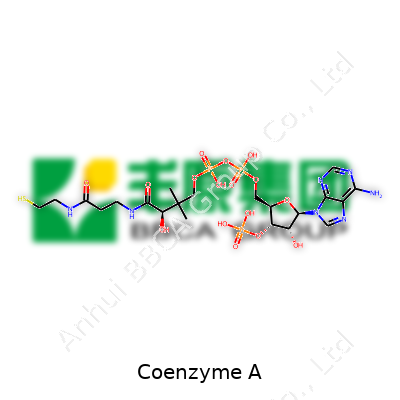
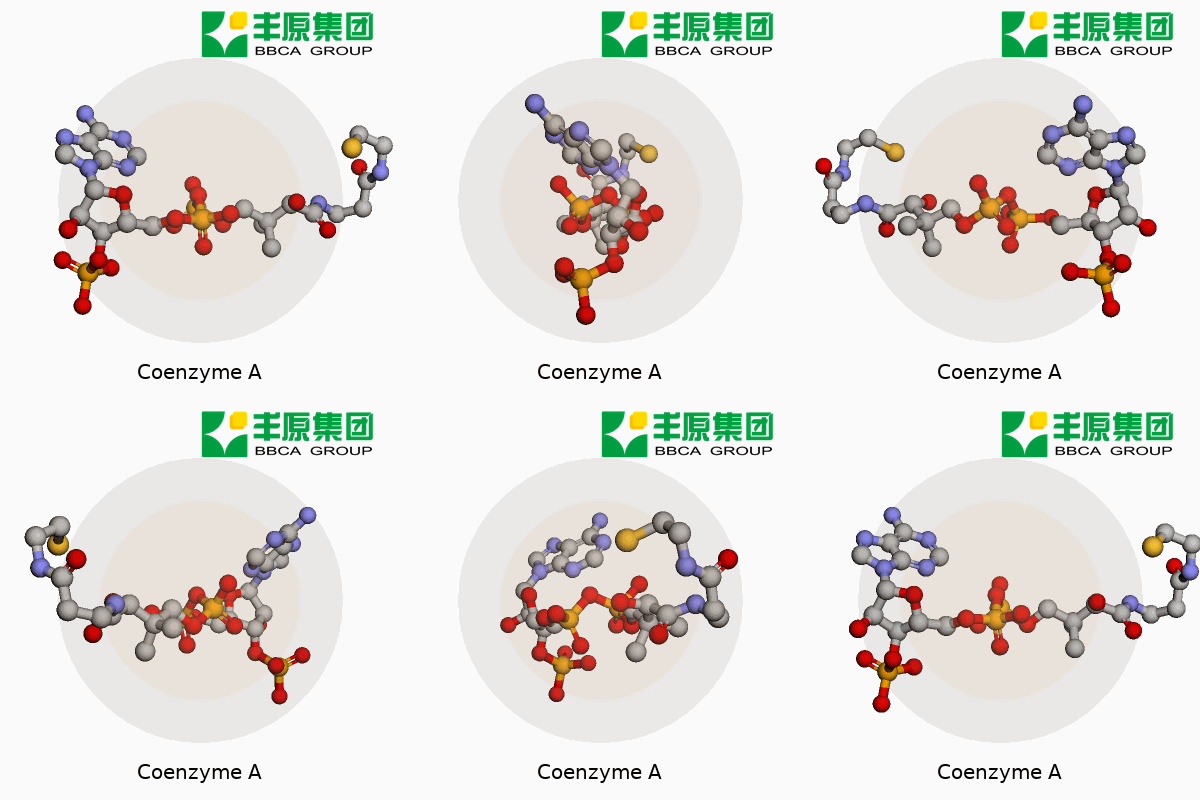
The emergence of Coenzyme A set off a cascade of discoveries that shaped modern biochemistry in unexpected ways. We have handled this molecule for decades, yet each day in production still echoes those early days when Fritz Lipmann isolated it in the 1940s. Back then, researchers pieced together the complex puzzle of energy transfer in cells and exposed the pivotal role of coenzymes. The early purification processes bore little resemblance to the streamlined synthesis we use now. Every generation in this business has learned that making CoA at industrial scale stubbornly resists shortcuts, demanding both dexterity and scientific patience. We draw on that layered expertise, from the legacy of early biochemists to today’s continuous process refinements, because every gram we ship reflects a half-century of accumulated knowledge, trial, and correction.
Today, Coenzyme A produced in our facility provides a pure, bioactive compound used around the world in research, manufacturing, and diagnostics. We craft it using rigorous controls, since it plays a central role in metabolic reactions—from fatty acid synthesis to the Krebs cycle. Our teams witness firsthand the attention required in preventing batch-to-batch variability. Unlike more forgiving commodities, CoA can lose biological function with minor shifts in pH, humidity, or contamination. Scientists and engineers at our plant know that even small impurities or the slightest oxidative damage can alter downstream results for our clients and their own customers, whether in a pharmaceutical pilot run or a university laboratory.
Coenzyme A does not look impressive to the naked eye: it arrives as a white to off-white powder. Yet, what it lacks in visual drama, it more than makes up for in molecular intricacy. With a molecular weight a little above 760 Daltons, it dissolves readily in water, though sensitive to light and oxygen. Handling a molecule with such extensive hydrogen bonding and labile groups calls for deliberate routine. The distinct odor, tied to the mercapto group, signals its activity and should never be overlooked. Moisture content, storage temperature, and headspace gas composition require steady monitoring throughout production and storage—failures have immediate, costly consequences.
From a manufacturer’s perspective, technical specifications are not just lines on a certificate of analysis; they are signposts that prevent chaos on the customer side. Our batches are standardized by rigorous HPLC, spectral, and chromatographic verification. Potency sits at the top of requirements, always benchmarked against the latest pharmacopeia updates and client protocols. Labeling embeds relevant data—traceability batch numbers, expiry dates, and handling conditions—to meet the demands of regulatory audits and researcher scrutiny. Labelling oversights in this field are not minor inconveniences; they risk entire campaigns of research or production, so every package receives the treatment we would expect if our own critical experiment depended on it.
Decades of in-house experience taught us that chemical synthesis of CoA, done from the ground up, is demanding and costly. Biotechnological methods now dominate our workflow, with fermentation of engineered microorganisms producing the essential precursors. This approach slashes hazardous reagent usage, boosts yields, and tightens our grip on impurity profiles. Enzymatic conversion follows strict timelines, with closely monitored feedstocks feeding into a purification train of chromatography and lyophilization steps. Plant operators remain watchful, knowing from experience how variances in feed composition or column performance can tip the balance between success and painful reprocessing.
Our chemical teams frequently collaborate with academic and pharmaceutical partners on custom derivatives. The thiol group on CoA welcomes acylations and other covalent transformations essential for downstream applications. This chemical reactivity transformed our business from a single product supplier into a source for custom solutions. Customers rely on our experience in ensuring selectivity in modification steps—to avoid unintended isomers and to keep the integrity of the molecule intact. Incomplete reactions or unanticipated side products cause significant repercussions, especially for applications like enzyme kinetics, where integrity of every atom counts.
Across regulatory documents and scientific literature, Coenzyme A picks up a host of names: acetyl-CoA, CoA-SH, HS-CoA, and more. Each synonym reflects slight differences—free acid vs thioester—but has roots in a common molecular skeleton. Our internal records and external certificates always reference established international nomenclature, because any ambiguity in chemical identity can stall supply chains or prompt misinterpretation in research work. Clients send us requirements under various labels, and it falls to us to recognize, document, and match these names correctly.
Working with biological reagents like CoA calls for discipline along every step, from synthesis to dispatch. Operators here train rigorously on containment, PPE, and rapid mitigation of biohazard risk. Although acute toxicity in industrial contexts remains low, the real hazard comes from loss of product activity or cross-contamination, which undermines our customers’ applications. Facilities must align with international standards—ISO, GMP, and occasionally ICH requirements for pharmaceutical-grade production. Our quality audits and equipment calibrations are conducted as much for internal peace of mind as for passing regulatory inspections; both prevent not just financial loss, but reputational harm.
Our end users pull Coenzyme A into fields as diverse as drug discovery, diagnostic assay development, veterinary medicine, and even food testing. Analytical labs look for precision and purity, not just by molecular testing, but by real-world reproducibility in complex matrices. Pharma clients contract us to deliver bulk lots with clear impurity profiles, seeking no surprises during scaling campaigns. Academic collaborators push the limits in metabolic modeling or synthetic biology, so we maintain dialogue with them about special grades and custom conjugates. Each segment challenges our facility to meet diverse use cases without an inch of compromise on quality, because even small errors can derail months of critical work.
Innovation in our R&D labs has always risen from close interaction between our production lines and real-world customer feedback. We pilot new purification methods and fermentation strains on the factory floor before introducing upgraded workflows. Teams from synthesis, analytical, and quality groups jointly design method validations, troubleshooting issues like trace metal removal or optimized buffer systems. Recognizing the increasing demand for isotopically labeled or otherwise functionalized forms, we direct investment toward precision labeling, all while managing the perennial cost pressure of substrate supply and environmental compliance. Knowledge gained from failed experiments is integrated without apology or delay.
Early fears about coenzymes, often rooted in misinterpretation of animal studies or confusion with synthetically tainted batches, have given way to extensive toxicological profiling. We keep close tabs on independent safety assessments because they define allowable exposure in production and final use cases. At high concentrations, CoA’s metabolic intermediates can create local cellular stress, but evidence of overt toxicity in normal industrial handling is minimal. Still, our team never assumes safety—routine environmental monitoring, worker health tracking, and continuous literature review drive our hazard communication strategy and operational guidelines.
Growth in the synthetic biology and personalized medicine sectors revitalizes the relevance of Coenzyme A every year. As treatments based on metabolic modulation mature, our customers demand ever-higher specifications and novel derivative forms. As a manufacturer, we watch the evolution of high-throughput screening, next-generation bioprocessing, and CRISPR-enabled technologies; each trend raises the stakes for large-scale, reliable supply. Environmental regulations tighten across the industry, pushing us to improve green chemistry in both precursor generation and waste management. We direct R&D to sustainable bioprocessing and streamlined purification protocols, knowing well that those who fail to adapt seldom survive the shifting landscape of chemical manufacturing.
At our manufacturing facility, we see Coenzyme A every day. Its importance stands out the moment one steps into the lab. This molecule doesn’t hog the spotlight like vitamins, but it keeps a low profile partly because its work happens behind the scenes. In every living cell, Coenzyme A acts as a carrier and processor for something crucial — acyl groups. Without it, turning food into usable energy would crumble. Human metabolism relies on Coenzyme A to harness energy from carbohydrates, fats, and proteins. It’s not just about generating energy, either. This coenzyme holds the hand of various compounds and escorts them through a maze of chemical steps.
Enzymes can’t finish their work unaided. In our experience, Coenzyme A binds to acetyl groups, helping start the tricarboxylic acid cycle. Here, it assists with releasing the energy stored in nutrients. This function gives cells the power they need to move, grow, and repair themselves. We routinely monitor the quality and purity of acetyl Coenzyme A because any shortfall affects how efficiently these reactions occur. Fatty acid processing also demands Coenzyme A. This molecule grabs onto fat fragments, making them water-soluble enough to pass into the energy-hungry mitochondria. Certain amino acids also depend on it to exit the breakdown pathway cleanly, without creating toxic byproducts.
Processing Coenzyme A in commercial lots isn’t simple. Its synthesis follows a series of steps needing the careful addition of raw compounds like pantothenic acid, cysteine, and ATP. Each of these components must arrive ultra-pure. Introducing impurities or skipping quality controls would wreck the final product’s biocompatibility. Research teams often ask us about the challenges of large-scale manufacturing — one of the biggest involves temperature. The molecule degrades quickly if heated, so cooling and gentle handling become second nature in our production halls.
On the research bench, most scientists reach for Coenzyme A because it mimics how it acts inside living things. Studies probing inherited metabolic problems frequently test how cells use this molecule. Diabetics, people with rare mitochondrial disorders, and athletes all appear in research relying on synthetic Coenzyme A to tease out how their bodies process nutrients differently. Industry demand grows each year, especially from medical and biochemical research.
Making enough Coenzyme A for labs and industry presents ongoing challenges. Chemical stability stays at the top of our improvement list. We never assume that one batch will function identical to the last. This attitude comes from experience; small variations in the production line sometimes lead to big effects on activity. Routine verification through chromatography and spectral analysis weeds out defective material early, but that only happens if skilled staff stay alert. Feedback from customers in both research and manufacturing trickles back into our process line-up — sometimes, it means revisiting purification methods, adjusting batch sizes, or shifting to alternative sourcing for certain precursor chemicals.
Rising demand underscores a need for tight regulatory compliance. Tracking origin and purity protects scientific studies and, far more importantly, public health. We see more interest in biobased and sustainable sourcing for raw materials lately. It challenges manufacturers to rethink long-held supply chains and design process improvements for both efficiency and environmental impact.
Inside our production hall, we focus on molecules that keep things moving at the cellular level. Coenzyme A stands out among these. It plays a vital role in energy metabolism. Without it, cells struggle to generate fuel from carbohydrates, proteins, and fats. From fermentation vats to tablets, developing and manufacturing Coenzyme A supplements lets us see not only the chemical mechanics, but also why new research keeps sparking interest. That’s not marketing hype—there’s good science on the significance of this molecule. People look to Coenzyme A for metabolic support and energy, and the demand shows no sign of slowing down.
Researchers point out Coenzyme A’s connection to producing ATP, acetylating enzymes, modifying genes, and detoxifying the body. Studies describe its impact on metabolic pathways, showing it’s essential for breaking down nutrients and managing energy demands in tissues, especially high-energy organs like the liver, brain, and heart. While commercial supplements build on this foundation, gaps in human research exist. Clinical trials aren’t yet extensive, so the benefits that animal and cell-line studies reveal still need more confirmation in people. That reminds us, as manufacturers, to communicate responsibly. Reliable, evidence-supported information forms the foundation of trust in any health-related industry.
Producing Coenzyme A isn’t simple. We’ve invested time and resources into refining biosynthetic and enzymatic extraction methods to maintain purity, stability, and potency. Each lot undergoes rigorous quality control: checks for potency, microbial contamination, and unwanted residuals. From working directly with raw B vitamins to ensuring the acyl group attachments are precise, every step counts. These safeguards matter because the molecule degrades easily, and inconsistent production undermines any potential health benefits. We use rapid containment to protect activity, and select packaging that minimizes oxidation. High-barrier materials and light-resistant bottles are standard, even if they add to the cost.
Many customers come to us with questions about fatigue, metabolic health, and fitness. They’ve often read studies suggesting Coenzyme A can aid fat metabolism, exercise performance, or help with recovery times. Some practitioners recommend it to support healthy cholesterol levels or aid natural detox functions, based on data from metabolic studies. Users want to know how supplements can boost energy at the cellular level when diet and age aren’t enough to keep things running smoothly. We hear from athletes, older adults, and people in high-stress jobs, all looking for support from nutrients that play an integral role in energy generation and detoxification. There’s a clear trend toward targeted supplementation as people learn about these underlying biochemical processes.
As a chemical manufacturer, we see both the promise and the responsibility that come with producing Coenzyme A supplements. Since definitive large-scale human studies take time, manufacturers like us must stay transparent about what is established and what is still under investigation. We continue to collaborate with researchers, monitor literature, and refine manufacturing processes. Standards keep rising for ingredient traceability and label accuracy—something we embrace because it aligns with providing products customers can trust. Reliable supply chains, continued investment in science, and clear education help everyone make better decisions about supplementation. Until more conclusive research emerges, focusing on proven chemistry and quality assurance remains the best way to deliver real value.
As a chemical manufacturer working daily with building blocks like Coenzyme A, we've seen the surge in interest from nutritional brands, research teams, and pharmaceutical developers. It's a remarkable compound, central in metabolic functions for both basic cellular health and complex biosynthesis. Since we synthesize it from raw materials, monitor it through fermentation, and purify at scale, questions about safety aren’t abstract — they’re core to our process. My team spends just as much time at the whiteboard discussing risks as we do tracking yields or optimizing extraction methods.
Inside our facility, people ask about potential risks. The raw material pathway is well-established, but even the pure product demands respect. Dust inhalation during powder handling isn’t unique to Coenzyme A, but we protect workers with standard PPE and closed systems during transfer. No one wants eye or skin irritation from splashes, as with any highly soluble compound. From actual experience, acute toxicity hasn’t been an issue under normal lab conditions — published data backs this up, showing extremely low toxicity in animal models, and supporting widespread use in life science research.
Hazard analysis reveals more about process safety than product-based risks. Unintended spills or dust clouds can create local irritation, so strict engineering controls keep exposure minimal. Still, Coenzyme A isn’t something you eat or apply to skin; the body already produces milligram amounts daily for metabolism, but bulk concentrations and synthetic precursors call for careful management. That’s why we stress spill drills in the plant just as much as batch consistency.
Once Coenzyme A reaches supplement form, a second tier of questions comes from nutritionists and end-users. Oral supplementation has not triggered widespread reports of adverse effects. Doses used in animal studies tend to be thousands of times higher than practical applications. Yet no synthetic vitamin or enzyme should get a free pass only because the body makes it naturally. Manufacturing introduces impurities and breakdown products, so proper batch testing is crucial before tablets or capsules hit the shelves.
Some companies advertise Coenzyme A enhancements for energy and detoxification. Consumers should steer clear of formulas that lack proper characterization, since excessive intake hasn’t undergone rigorous, long-term testing in humans. At our scale, rigorous stability checks ensure no harmful byproducts form during storage, and we always advocate for transparency in labeling and actual content.
Any compound coming out of a reactor or bioprocessing vessel deserves more scrutiny as it moves downstream. Industry-wide, there’s a strong case for tighter supply chain control. Auditing raw material sources, testing finished lots for identity and contaminants, verifying proper storage conditions — these are all standard from our side. With global demand rising, adopting robust qualification and documentation eases concerns over unexpected side effects.
Coenzyme A carries minimal risk compared to many industrial or pharmaceutical actives. Most problems seen in practice stem from mishandling, contamination, or unapproved off-label uses. The main lesson: don’t assume GRAS status means risk-free in every scenario; rely on rigorous quality systems, clear traceability, and realistic expectations. That’s how safe manufacturing leads to safe products — and real peace of mind down the entire supply chain.
In our production environments, demand for Coenzyme A continues to rise. Nutrition researchers, nutrition product formulators, and advanced supplement brands keep asking about best practices for use. Of course, the interest is understandable: Coenzyme A is essential for key metabolic processes like the citric acid cycle and fatty acid metabolism.
People often focus on end-application, but it pays to understand what’s really happening when someone takes this compound. After years supplying biochemistry labs and ingredient manufacturers, the best feedback comes from those who have actually run human and preclinical trials. They confirm—Coenzyme A gets absorbed in the gut and quickly participates in energy production, which helps explain why metabolic health professionals care so much about sourcing and preparation.
The recommended intake for nutrients always comes up, especially as new data comes in. Coenzyme A itself isn’t listed with a daily requirement in most nutrition guidelines. The body relies on nutrients like pantothenic acid (vitamin B5) to synthesize it internally. So for many people who eat a balanced diet, normal levels of B5 usually mean healthy internal levels of Coenzyme A.
Still, some people want to supplement directly, aiming for metabolic or athletic benefits. Study protocols for Coenzyme A supplements have ranged from 25 mg to 200 mg per dose. No clear “one size fits all” dose has emerged for the general public. Most supplement product launches seem to settle between 50 mg and 150 mg per day, usually split into 1 or 2 servings, depending on the tablet or capsule format. Professional oversight matters—a trained nutritionist or physician can determine if supplementation fits specific health needs, since some conditions can influence how the body processes or utilizes the compound.
Supplement brands want reliable supply, but that can’t happen without addressing stability and handling. Coenzyme A is highly reactive and moisture-sensitive. Any direct supplementation should use a carefully processed, stabilized form. In the plant, sealed containers under dry, cold storage keep the ingredient intact. For finished supplements, capsule or tablet shells block moisture and oxygen on the shelf—open bottles too often, and the potency drops.
Adherence to food safety certifications and transparent raw material sourcing makes a real difference. Finished dosage forms often undergo third-party testing for purity and potency. Supply chain transparency isn’t a marketing point—it’s a matter of safety when dozens of manufacturers compete on quality. The best companies build stability data into every production batch, so brands know what they’re delivering to customers.
Consumers read about “energy metabolism” and expect noticeable results. The industry’s own audits have shown that well-made, properly dosed Coenzyme A ingredients do get included in successful supplement programs, especially geared towards energy and athletic function. But taking more than the recommended dose offers no added benefit. Side effects seem rare at the commonly marketed doses, though overstimulation or digestive upset has been reported at much higher intakes or combinations with certain medications.
From our perspective as the original producer, thoughtful product design, ongoing batch analysis, and education matter more than flashy claims. In every case, working directly with experts in human nutrition science, rather than just trusting label claims, ensures end users actually get what they need—and no more. Formulators and consumers can both benefit from this approach.
From our manufacturing floor, we see coenzyme A move from production lines into research labs, nutritional supplements, and pharmaceutical applications. Rarely do conversations pause to explore how this compound interacts with other medications and supplements. But this isn’t a minor detail. Anyone involved in producing or formulating coenzyme A needs a concrete understanding of potential interactions. Research keeps uncovering ways in which this vital molecule gets involved with drugs and nutrients in the body, and missing such details can throw a wrench into development or quality control.
Coenzyme A sits at a crossroads of cellular function. Its role in synthesizing and oxidizing fatty acids, breaking down sugars, and processing amino acids means it shares the same metabolic pathways as a range of medications and dietary substances. For instance, large doses of vitamin B5 (pantothenic acid), the precursor of coenzyme A, can affect pathways that overlap with certain anti-tuberculosis drugs or antibiotics. Clinical literature documents that some drugs can either deplete or alter the function or demand for coenzyme A in cells.
We have watched clinical and laboratory studies implicate coenzyme A in interactions with blood thinners, some anti-seizure medications, and drugs affecting liver enzyme systems. It isn't always about one product canceling out another—sometimes, adding coenzyme A or its precursors enhances the effects of another substance, or it causes the body to process it faster or slower. These changes can result in higher or lower blood concentrations of essential medications, with direct consequences for health outcomes.
Our experience shows the issues aren't theoretical. We've fielded direct questions from contract manufacturers on potential interactions between coenzyme A and commonly used dietary ingredients—such as omega-3 oils or herbal extracts. These ingredients land together in finished goods, and sometimes they're used alongside prescription drugs by end users. Problems can crop up if coenzyme A indirectly boosts metabolic activity in the liver, speeding up the breakdown of certain medicines. On the flip side, if something in a formulation hampers coenzyme A’s synthesis or function, it may unintentionally reduce the efficiency of bodily detoxification or energy production.
Nutrient-drug interaction research often lags behind real-world use. But as data mounts, manufacturers need to act—not just respond. We’ve seen cases where supplement blends containing precursors to coenzyme A ended up prompting changes in user medication dosing, or set off minor adverse reactions by shifting how drugs like anticoagulants or anticonvulsants get metabolized.
We’ve started embedding more robust checks into our quality systems, from reviewing ingredient combinations for metabolic overlap to promoting transparency in formulation design. Communication with both customers and researchers forms the backbone of this process. We urge laboratories and formulators to consult reliable sources, such as peer-reviewed journals or clinical pharmacists, to clarify any metabolic cross-talk before launching combination products.
Bringing a new supplement or medication to market carries more responsibility than getting labels right or hitting purity specs. Manufacturers steer the conversation about safety and usefulness by paying real attention to interaction risks. By combining careful sourcing, evidence-based assessment, and open dialog with end users and prescribers, we aim to root out surprises before they reach shelves or patients.