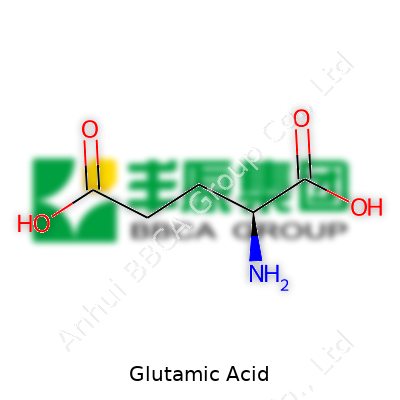
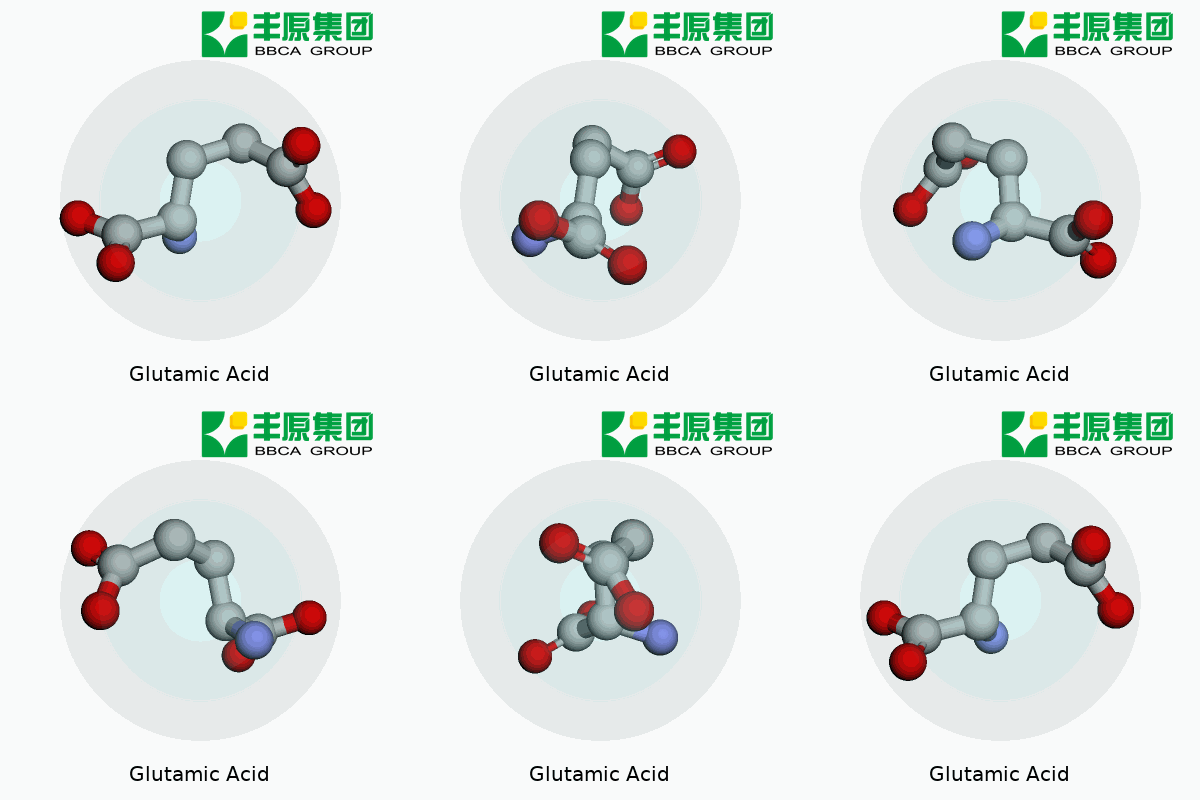
Over a century has passed since a German chemist drew glutamic acid out from wheat gluten, laying the groundwork for its importance in both food science and nutrition. As a manufacturer working with this amino acid year on year, we’ve traced the journey from early fermentation methods harnessing traditional bacteria, to today’s streamlined, large-scale production using highly efficient microbial strains. The basic structure of the molecule hasn’t changed, but industrial techniques have slowly chipped away at cost and environmental impact. Production moved from batch processes in small glass vessels to stainless steel fermenters that run for weeks, supplying thousands of tonnes annually. Our experience shows that market demand for both food and industrial uses steers ongoing improvements, each tied to advancements in biotechnology, energy integration, and waste valorization.
As an ingredient and an industrial building block, glutamic acid offers a unique balance of function and value. Its strongest market pull comes from the food sector, where it underpins the “umami” taste in many processed products. Every kilogram we make lines up against strict performance requirements, be it for taste masking, nutritional blends, or as a starting point for glutamate derivatives. In chemical manufacturing, glutamic acid serves as an intermediate for specialty polymers, biodegradable plastics, and pharmaceuticals. We cater to granular, powder, and even solution forms, keeping process controls tight to deliver the right purity and particle size for each use case.
Years spent scaling up production reinforce the importance of mastering the physical attributes of glutamic acid: it appears as white crystals or crystalline powder, distinctly soluble in water and able to form stable solutions at a range of concentrations and temperatures. Its melting point sits above 200°C with decomposition, and its isoelectric point at pH 3.2 lends natural acidity—a favored trait for many food and technical recipes. Sharp control over crystalline form and moisture content helps reduce segregation or caking in downstream processing, which is why we monitor these factors batch by batch, using in-line sensors and offline testing.
Specification sheets and labeling mark the daily touchpoints of our quality commitment. We target L-glutamic acid content above 99.5% for food-grade batches, with strict limits on heavy metals, arsenic, and microbial contaminants enforced through both in-house and accredited third-party labs. Labels reflect not just content, but safety codes, country-of-origin, traceability numbers, and expiry dates derived from validated stability studies. Regulatory teams continually adjust labeling to meet country laws, especially where import controls or allergen risks require extra detail.
Microbial fermentation dominates current practice, thanks to its scalability and environmental considerations. Corynebacterium glutamicum leads the charge as a workhorse strain—selected from decades of research and strain improvement. Production draws on carbohydrate feedstock, nutrients, controlled aeration, and carefully balanced pH, often kept just below neutral. As sugar ferments, bacteria release glutamic acid into the broth, which we collect by filtration, acidification, and crystallization. The efficiency of these steps ties closely to yield and cost, so we follow advances in genetic engineering, process control, and waste minimization. In-process analytics cut down on batch failure, and water use efficiency remains under close review as part of sustainability targets.
Glutamic acid’s reactive sites attract continuous interest in chemical manufacturing: the molecule supplies two carboxylic acids and an amino group, forming the basis for a tournament of derivatives. MSG, or monosodium glutamate, results from neutralization with sodium hydroxide; N-carbamoyl glutamate arises through urea condensation—each route tailored through pH, temperature, and ratio controls. Beyond simple salts, our teams tackle amidation, esterification, and polymerization chemistry, seeking new specialty products like polyglutamic acid for biodegradable plastics or slow-release fertilizers. Ongoing investments in downstream reaction technology sharpen yields, reduce side-products, and cut solvent waste.
In our labs and customer comms, glutamic acid bears several tags: “L-glutamic acid”, “2-aminopentanedioic acid”, or “glutaminic acid”, among others. The “L” prefix signals the biologically active form used in virtually all food and feed applications. For certain technical grades, the broader “glutamic acid” covers racemic mixtures or D-forms, though these find less demand. We never take shortcuts with synonym control; labeling and documentation stay harmonized to incoming regulatory updates, especially as international standards shift.
Day-to-day plant life brings safety into every action. We enforce airtight protocols around raw material handling, dust mitigation, and equipment hygiene. Respiratory and skin protection feature throughout the line, particularly during powder transfers and packaging. Our teams handle all spills and waste in line with environmental permits and best practices, double-checking every step with checklists and real-time monitoring. Automated controls flag temperature or pressure spikes, sparing teams from exposure. Technical training runs year-round, reflecting both regulatory change and the fresh faces who join our operation.
Few ingredients cut across as many sectors as glutamic acid. Its umami character powers MSG and seasoning bases, but the same molecule enriches nutritional supplements, diagnostic buffers, and specialty monomers. In animal nutrition, it functions as a feed additive, improving formulation balance and palatability. Research-grade material finds its way to vaccine development, peptide synthesis, and biopolymer labs. Technical specialists from end-user companies regularly visit our plants, pressing for process transparency as they chase tighter quality control in their own recipes.
Behind the factory noise, research teams craft every process step and glance years ahead to next-generation products. We chart fermentation optimization, not only for higher yields but for improved strain robustness and reduced energy use. Side-stream valorization wins a growing share of budget—unconverted sugars, spent biomass, and filtrates now form the seeds for other product lines, closing material loops. Collaborations with universities or innovation hubs cut across catalysts, membrane separation, and metabolic engineering. Each prototype or process tweak demands rigorous testing, yet successful advances ripple outward, cutting costs, shrinking emissions, or opening new specialty applications.
Long experience producing glutamic acid lines up with equally long scrutiny on its safety in foods and technical use. We watch studies on ingestion, inhalation, and environmental release, noting that regulatory consensus tracks glutamic acid among the most benign amino acids in use, with toxicity rated extremely low at approved consumption levels. As a company with certified food and pharma-grade lines, our internal data confirms product safety, yet we hold contingency plans and clear reporting pathways should new safety issues arise. Worker exposure receives regular attention: dust sampling, personal protective equipment, and medical checks form part of the baseline controls.
Looking ahead, glutamic acid stands at the crossroads of circular chemistry, health innovation, and low-impact manufacturing. Consumer demand for natural flavors boosts the profile of fermentation-derived ingredients in both clean label and specialty nutrition products. Policy trends favor biodegradable materials and waste minimization—sectors where glutamic acid-based polymers gain traction. Ongoing shifts in bio-manufacturing support ever-larger plant capacities and drive down per-kilogram emissions. As new uses emerge in medical research, plant nutrition, and green chemicals, manufacturers keep evolving, pairing operational discipline with relentless innovation.
As a chemical manufacturer who has produced Glutamic Acid for decades, people tend to ask about the real impact of glutamic acid supplements. From where we stand, Glutamic Acid isn’t just a niche additive—it’s a vital building block for both food and health sectors. We have watched the demand shift over the years, and it’s not just about flavor or shelf-life anymore. Glutamic Acid stands out for what it does inside the human body.
Our bodies produce Glutamic Acid naturally. It helps to build proteins and serves as an essential neurotransmitter in the brain. Glutamic Acid isn’t some oddball chemical you can only get from synthetics. People eat it every day through dairy, meats, and vegetables. Yet, certain groups look at supplements to bridge nutrition gaps or support brain health. Science has linked glutamate (the ionic form of Glutamic Acid) with the communication between neurons and crucial learning functions. Evidence suggests low glutamate in the brain correlates with slowed thinking and memory challenges, so solutions to maintain balance get attention.
In our experience, supplementing Glutamic Acid appeals to specific communities—athletes, vegetarians, and anyone with increased protein needs. Intense exercise causes rapid turnover of amino acids. Those with limited access to dietary protein can fall short on certain amino acids, glutamic acid included. For people managing conditions that require extra nutritional care, like recovering from injury or surgery, every amino acid counts. That real-world importance shapes how we produce and test every batch in our facility. Quality control isn’t a generic phrase—it’s core to keeping our partners confident when they manufacture supplements for niche health markets.
Beyond muscle and brain—it’s the gut where Glutamic Acid plays another critical role. Medical researchers have explored how Glutamic Acid strengthens the intestinal barrier, helping manage certain digestive disorders. Our conversations with supplement producers indicate that the science behind brain-gut connection continues to inspire new product development. Evidence links healthy glutamate levels in the gut to improved absorption of nutrients and reduced discomfort for those with sensitive systems.
On the factory floor, we see firsthand how ingredient sourcing and traceability affect confidence in supplementation. Glutamic Acid draws attention from safety regulators. It's used in foods as MSG, but the conversation shifts with supplements. Every batch we deliver passes rigorous purity and contaminant screenings—those aren’t optional costs in this landscape. We’ve watched the market respond aggressively to reports of contamination incidents, underlining a clear demand for trusted sourcing. Reliable origin and transparent processing matter—a point that keeps coming up during customer audits and compliance meetings.
The popularity of Glutamic Acid brings challenges. As the world looks at protein alternatives, competition for raw feedstock increases. Efficient, sustainable production methods remain a core concern. We continue improving fermentation and purification processes, looking for ways to minimize waste and energy demands. This is good news not just for pricing and reliability, but also for businesses that care about environmental footprints.
We’ve seen how a fundamental building block like Glutamic Acid can have ripple effects far beyond food taste. Supplements tailored around amino acids draw on steady science and evolving demands—health trends only keep raising the bar for traceability, purity, and responsible production. Our role is to support that trust from the ground up.
From the production floor, our engineers and scientists handle glutamic acid day in and day out. We know this amino acid from its raw crystalline form to its finished applications in food, pharmaceuticals, and industrial processes. It shows up in flavor enhancement but also as a building block for several biochemicals. A question sometimes lands on our doorstep: are there any side effects for those who take glutamic acid?
Glutamic acid occurs naturally in many foods, especially rich protein sources. Most people consume it daily through meats, dairy, grains, and plant proteins. Our bodies use it in nerve function, cell metabolism, and as a precursor for glutamate, a key neurotransmitter. In a healthy diet, the small increments from added glutamic acid rarely tip the balance in the body. Under normal intake through diet, we don’t see documented issues in most published studies or regulatory assessments from agencies overseeing food safety.
Some consumers look for glutamic acid supplements with the hope of boosting cognitive function or muscle performance. At higher or concentrated doses, some concerns have come to light in medical literature. Nerve-related symptoms such as headaches, fatigue, or sensitivity have occasionally been reported, mostly at dosages that go far beyond natural dietary intake. These reactions are not common with foods, but concentrated supplements do present a different risk profile. In our facility’s own handling practices, direct skin or eye contact with the pure substance causes mild irritation, consistent with most amino acids, but ingestion in the quantities found in a balanced diet does not create observable problems.
There have been urban myths about glutamate hypersensitivity, often called 'Chinese Restaurant Syndrome.' The U.S. FDA and international food safety agencies have not found enough consistent evidence linking glutamic acid intake directly with these adverse reactions. In our experience supplying industrial and food-grade material, quality matters. Impurities, improper blending, or contamination cause far more trouble than the pure ingredient itself. A strict quality assurance process reduces the risk of by-products or cross-contamination that can trigger sensitivities.
High intake of glutamic acid supplements sometimes overlaps with the use of other amino acids or pharmaceuticals in people with specific neurological disorders. Those with epilepsy or metabolic conditions affecting amino acid breakdown may need to avoid extra glutamic acid. Physicians managing these conditions may advise restrictions, and as producers, we emphasize not exceeding recommended servings printed on finished goods. Over decades of production, we rarely field complaints or reports from the food and nutraceutical manufacturers we supply regarding side effects from normal, approved uses of our product.
Where there is public confusion, our industry holds a responsibility to provide accurate hazard and use information, both to processors and, downstream, to end users. Controls at the manufacturing level, verified product purity, and honest information go a long way toward reducing risk. People often misunderstand the difference between glutamic acid in whole foods and its presence as an additive. Quality manufacturing means fewer unknowns for everyone in the supply chain, from us as producers all the way to the dinner table.
No chemical comes without risk at massive doses or in the wrong context. From our vantage point as the manufacturer, the real focus should remain on purity, transparency, and rational intake levels. By prioritizing these principles, we support both consumer safety and reliable food and supplement industries.
We have handled glutamic acid in bulk for many years and watched how the way people use it shapes their results. Science journals and research laboratories often highlight its role in neuron function and protein metabolism, but practical use among customers also shows a wide spectrum of approaches. While most focus on tablets or powders for dietary supplementation, industries reach for the pure powder for fermentation, food enhancement, and even specialty chemical synthesis. The intended outcome shapes the "best" way to take glutamic acid.
In our production facilities, we separate food-grade from pharmaceutical-grade batches. This distinction matters for end users. The most common format for everyday supplementation remains L-glutamic acid in powder or granule form, often sold in single-ingredient jars or as a component of blended supplements. Powders dissolve quickly in water or juice and avoid the binders and coatings that come with tablets and capsules.
Our feedback from direct-users: pure powder added to liquids absorbs quickly and avoids stomach discomfort that sometimes follows dense pill forms, especially on an empty stomach. Since the taste is mild with a faint acidity, most tolerate it easily when mixed in a flavored beverage or smoothie.
Our technical teams have worked with clinical nutritionists and research partners. They note that glutamic acid, like other amino acids, travels more efficiently into cells when not competing with a full meal. Many users mix a small serving—typically one or two grams—in a glass of water, usually mid-morning or mid-afternoon.
This observation lines up with studies in sports nutrition showing that certain amino acids clear the bloodstream faster and help muscle recovery if separated from large, high-protein meals. Still, exact serving size depends on the user’s body weight, diet, and purpose. People seeking general wellness often take smaller amounts, while industrial partners working in fermentation or food fortification weigh the ingredient in bulk, with batch integrity checked continuously during production.
Manufacturers take extra steps in purification for good reason. Lab-grade and food-grade glutamic acid undergo repeated filtration and crystallization. Unwanted by-products, moisture, or residual processing chemicals are often the biggest culprits in degrading flavor and performance. Many complaints we hear trace back to off-brands cutting corners—damp powder, yellowish hue, or a sour aftertaste that should not be present. If it feels gritty or produces cloudiness in solution, purity issues likely exist.
Glutamic acid remains harmless for most healthy adults in moderation, but every supplement comes with context. Medical professionals raise concerns for those with liver or kidney troubles, since amino acids follow unique metabolic paths. Anecdotes from customers mixing the powder into protein shakes have brought up occasional headaches or mild digestive upset, usually at high serving sizes. Here, transparency from manufacturers matters—a precise label free of hidden additives or undeclared allergens forms the foundation of trust.
We recommend measuring servings with care. Too much at once, especially without plenty of water, can cause discomfort. Use a precise scale if possible; household teaspoons often prove inconsistent. A quick stir in room-temperature water dissolves the powder smoothly. At the industrial level, automated feeders and tight humidity control keep the material flowing, but for personal use, a simple jar kept dry does the job.
The right choice for a user depends on purpose and personal chemistry. In our experience manufacturing pure glutamic acid, we have seen the best results come from transparency, careful handling, and small, consistent servings—whether for athletes, researchers, or culinary professionals alike.
We have worked with glutamic acid every day for years, producing batches for food producers and suppliers across several continents. Long-term exposure in our production lines means we take its safety seriously—not just for ourselves, but for the customers and industries depending on what arrives in their bags, barrels, and drums. Our workers handle it in bulk, and our team has spent time discussing its health profile with clients and internal health experts.
This molecule plays a crucial role in flavor and nutrition. It appears in protein-rich foods that are part of everyday diets across the world—think cheese, tomatoes, poultry, soy. Though best known as the backbone of monosodium glutamate (MSG), glutamic acid itself remains a naturally occurring amino acid inside the body, powering metabolic functions and helping transfer nerve signals.
Concerns about glutamic acid or its salts sometimes come up, especially around MSG. Scientific studies and reports show that glutamic acid from foods rarely causes harmful effects in healthy people. Regulatory agencies like the U.S. Food and Drug Administration and the European Food Safety Authority have regularly evaluated studies and found no credible evidence linking dietary glutamic acid to harmful effects from typical use. We see how quickly these agencies act when genuine risks arise, and glutamic acid remains cleared for use year after year.
Inside the plant, we rely on industrial hygiene standards—ventilation, gloves, and dust controls keep employees comfortable and safe. Symptoms like mild irritation can happen when someone deals with a pile of fine powder, as with many amino acids, but this stays manageable with standard controls. Large accidental exposures are rare and tend to cause temporary symptoms, which subside quickly. Safety data sheets for glutamic acid support our own findings; it doesn’t show the red flags associated with more reactive or toxic chemicals in our catalog.
Glutamic acid plays a long game—it’s not something that’s newly introduced to food systems or manufacturing. Our oldest customers have run food plants for decades, relying on the taste and technical performance of glutamic acid and related products. Science follows customer experience closely: so far, repeated intake from dietary sources hasn’t led to genuine safety crises. Occasional reports of “Chinese Restaurant Syndrome” actually focused on concentrated MSG dosing, not standard glutamic acid consumption as part of a diet.
No additive or ingredient gets a free pass in this industry. Even with glutamic acid, we keep track of new studies and recheck exposure reports from workers and consumers. Reliable panels of experts review this data every few years, and no shift in official guidance has resulted. Children, pregnant individuals, and people with certain rare medical conditions should always follow personal medical advice, since some circumstances call for customized nutrition.
We monitor everything from raw material quality to the finished product that goes out the door. Glutamic acid stands out for its stability both in physical handling and in repeated intake by diverse consumers. Years of manufacturing and regulatory review give us certainty in its long-term safety profile. That confidence only comes from active engagement—watching real-world results, not just relying on paperwork or theoretical concerns. For us, the direct experience over years matters as much as any clinical study.
Amino acids like glutamic acid rarely make the headlines despite their widespread use. From seasoning blends to pharmaceutical preparations, the value of glutamic acid comes from its presence in protein metabolism and as a building block in both nutritional and industrial settings. We produce this amino acid in ton-scale batches, supplying laboratories, supplement manufacturers, and research institutes. The science around glutamic acid’s interaction with other substances continues to evolve.
In our experience, glutamic acid’s chemistry appears straightforward. It is a non-essential amino acid; the body synthesizes it as part of daily biochemistry. Its sodium salt, monosodium glutamate, gets more attention at the dinner table, but pure glutamic acid has a steadier role in lab and pharmaceutical settings.
Pharmacists and clinicians often ask about interactions between glutamic acid and prescription drugs. Most clinical data points toward low risk for direct drug-vitamin or drug-amino acid interactions under normal dietary conditions. In the gut, glutamic acid absorbs rapidly; it participates in forming neurotransmitters such as glutamate and gamma-aminobutyric acid. These molecules are vital in nerve signaling. Because of this, questions sometimes arise regarding anticonvulsant medications or drugs acting on the central nervous system.
To date, our technical team hasn’t found documented cases in reputable pharmacovigilance databases where glutamic acid, taken in supplement amounts, triggered a dangerous adverse reaction with prescribed medications. That said, the absence of evidence doesn’t mean absolute safety for everyone. Specialty drugs, including those for neurological conditions or epilepsy, have a complex relationship with amino acids. For example, glutamic acid sits on the same biochemical pathways as several neurotransmitters. A person using drugs that alter brain chemistry could experience unexpected effects if they also consume unusually high doses of glutamic acid.
Doctors treating patients with liver or kidney disease sometimes look closer at amino acid supplements. If the organs filtering or processing glutamic acid do not work properly, accidental buildup might occur. Tight monitoring, not guesswork, guides their advice in those settings.
Requests from product formulators and pharmacists always focus on practical guidelines. Can someone mix glutamic acid with painkillers, antidepressants, blood thinners, or antihypertensive drugs? Unless a person has metabolic or neurological conditions, the majority of evidence suggests it passes through daily routines quietly. No known enzyme system suggests that glutamic acid blocks or intensifies common drug classes at normal intake levels. Yet, self-dosing high amounts outside dietary boundaries deserves real scrutiny, especially when rare conditions exist.
As a manufacturer, we support open communication with researchers, clinicians, and industry partners. Labeling should reflect science, not just regulatory minimums. We advocate for clearer guidelines and more clinical studies—especially focused on vulnerable populations. Collaboration between sectors will define the next round of recommendations.
Manufacturing safe chemistry doesn’t end with the delivery of raw material. It requires vigilance across the supply chain, ongoing education, and a willingness to question accepted wisdom. Our technical support works directly with healthcare professionals to clarify uncertainties as science progresses.