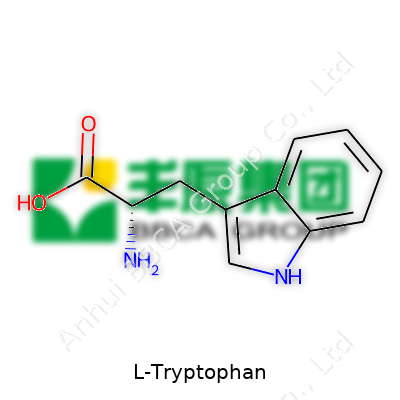
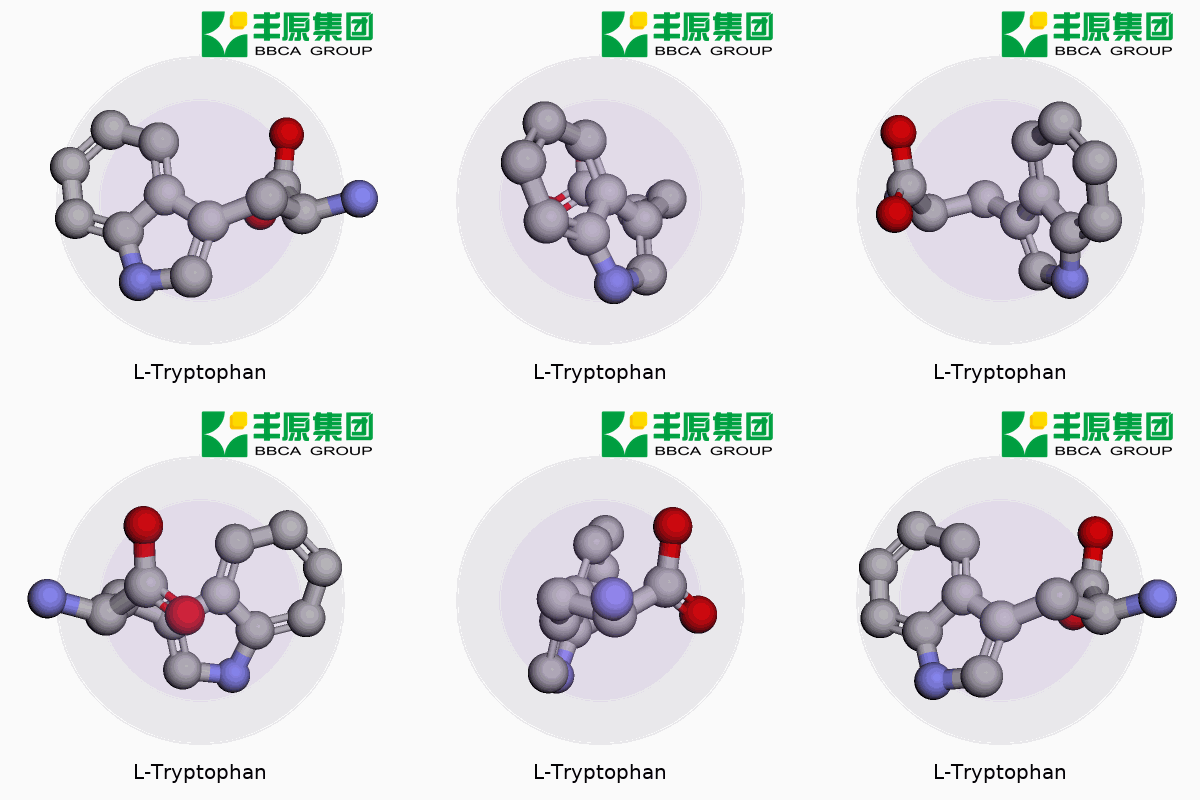
The journey of L-Tryptophan traces back to the early days of amino acid isolation, long before the boom in industrial biotechnology. Ehrlich first isolated L-Tryptophan from casein in the early 1900s using traditional acid hydrolysis. Challenges with purity plagued the early supply chain, leading manufacturers like us decades later to develop reliable fermentation processes with consistent yields and reproducibility. L-Tryptophan hit major headlines in the nutritional supplement world after tragic incidents in the late 1980s, which originated from insufficient purification in some production batches. These lessons from the past pressed our industry to implement more robust controls and GMP standards at every stage, pushing quality systems forward for all amino acid manufacturing.
In our facilities, L-Tryptophan production revolves around its application as a crucial essential amino acid—one the body cannot synthesize and must obtain from diet or supplements. This makes it indispensable for foods, dietary supplements, infant formulas, and animal nutrition products. The molecule also serves as a precursor in pharmaceutical synthesis, especially for serotonin and melatonin, which connect it directly to mood, sleep, and neurological health. We deal with inquiries that range from kilogram scale for bespoke research applications through to thousands of metric tons for international feed and food fortification, proving the diverse and ever-expanding demand for this molecule.
L-Tryptophan settles as white to off-white crystalline powder, faintly bitter in taste with a mild odor, that dissolves sparingly in water but resists most common organic solvents. Our lot analysis routinely examines melting points around 282°C, with robust identification using optical rotation and chromatographic purity checks. Moisture content must remain minimal to avoid clumping and degradation, so we focus on precise drying protocols during post-fermentation processing. By taking care not to expose our stocks to strong light or high temperatures, our quality control ensures that L-Tryptophan keeps its structural integrity and purity from warehouse to customer.
Quality specifications build the foundation of trust in amino acid manufacturing. For L-Tryptophan, the most critical specifications include an assay not less than 98.5 percent, specific optical rotation, minimal heavy metals, and strict controls on related substances and microbiological purity. Labels outline amino acid analysis, country of manufacture, lot number, and best-before date, so end users can trace every detail back to the original batch. Over the years, added transparency in labeling reassures partners in nutrition, pharma, and research that the product meets regulatory requirements, including those from USP, EP, JP, and FCC. Strong relationships with auditors, local regulators, and third-party certifiers reinforce confidence at every link in the supply chain.
The original methods used acid or enzymatic hydrolysis of protein sources, but these approaches left too many unknowns in terms of purity and sustainability. Today, fermentation leads the way. We cultivate engineered strains of Escherichia coli under carefully optimized conditions, feeding them carbon and nitrogen sources that convert into L-Tryptophan. This bioprocess scales well and creates less waste compared to legacy methods. Downstream, multiple filtration, precipitation, and crystallization steps follow. We deploy analytical tools at each juncture to weed out by-products and non-proteinogenic amino acids. This high degree of monitoring drives better yields, less loss, and ultimately fewer recalls or complaints at the customer end.
L-Tryptophan harbors both an indole ring and an amino group, making it fascinating for modification. The indole nucleus allows for cyclization, halogenation, and side-chain derivatization—useful for research and drug design. Phosphorylation, glycosylation, and methylation further tweak the molecule for biotech purposes or to study metabolic pathways. In those instances where impurities like D-Tryptophan appear, resolution via chiral chromatography or enzymatic degradation keeps the purity within the strictest tolerances. Our labs regularly partner with pharmaceutical teams pursuing innovative routes to serotonin modulators and immunomodulatory agents that depend on these chemical transformations.
In our work, L-Tryptophan comes up by many names: alpha-amino-beta-indolepropionic acid, L-2-amino-3-(indol-3-yl)propanoic acid, L-Trp, and even L(-)-Tryptophan. International shipments frequently reference CAS number and EINECS number for regulatory clarity. Marketing teams sometimes push for more consumer-friendly names in nutrition markets, but within our technical circles, sticking to standardized nomenclature avoids mistakes or confusion, particularly when harmonizing documentation across languages and borders.
Decades in production have taught us that small lapses in hygiene or environmental controls can snowball into broad product recalls or, worse, adverse consumer events. We enforce strict PPE on the shop floor and run constant air and surface monitoring programs. At the process chemistry stage, all operators train in chemical handling, spill response, and batch traceability. We remove endotoxins, monitor bioburden, and validate all critical process steps under cGMP and ISO guidelines. Batch-release only happens after passing audits, with each product shipment accompanied by comprehensive documentation. Our collective memory as an industry never fades when it comes to the lessons from contaminated batches in global news decades ago.
We maintain supply chains for L-Tryptophan into animal feed, pharmaceuticals, dietary supplements, infant formulas, and even specialized cell culture. Feed producers use it to optimize growth, reproductive performance, and stress resistance in livestock by balancing limiting amino acids in rations. Human nutrition partners rely on L-Tryptophan to formulate protein enrichment blends or develop sleep support products. Drug developers regard it as both a building block for more complex therapeutics and as an API in itself. Our operations accommodate both commodity volume and highly differentiated custom blends, reflecting how L-Tryptophan bridges bulk and specialty chemicals like few others in the world of amino acid manufacturing.
We reinvest a major portion of our earnings into metabolic engineering and fermentation optimization, pushing for higher titers, lower input costs, and greener processes. Projects in the lab focus on strain improvements that minimize by-product formation and energy input. Some trials now explore alternative feedstocks—biowaste, renewable sugars, or even captured CO2—to answer global calls for more sustainable chemical manufacturing. Our partnerships with universities and research institutes keep us in front of new analytical methods for impurity profiling, bioactivity testing, and functional food development. By investing in knowledge transfer and staying on top of regulatory change, we sharpen our competitive edge and contribute to advancements across the broader industry.
Long-term toxicity studies on L-Tryptophan, primarily in animal models, show that moderate supplementation produces no severe adverse effects, reinforcing its status as GRAS in food and generally safe in recommended dosages. Toxicities or unexplained side effects in old cases almost always link back to contamination, not the amino acid itself. For every new process or source, we commission robust toxicological testing, from acute single-dose to chronic administration, with a focus on metabolite formation, neurochemical effects, and allergic potential. Our experience in trace impurity removal comes from constant vigilance—just a few parts per million of the wrong compound can tip the scales, sending decades of trust right out the window.
The appetite for L-Tryptophan continues to rise in step with world protein needs and the growing understanding of the gut-brain axis. Implanting new genes into microbial hosts unlocks greater efficiency and reduces environmental footprint. Functional foods, stress management, precision animal nutrition, and novel APIs all drive demand upward. Regulatory and consumer scrutiny both sharpen our focus on transparency and data integrity. To meet the next generation of standards, we’re building automation, digital tracking, and AI-powered quality checks into our plants from fermentation to finishing. Cleaner energy, smarter recycling, and minimizing water and solvent use mark out the path for the future. Our role is clear—by combining technical competence, relentless improvement, and honest accountability, we aim to supply a cornerstone amino acid for global nutrition while stewarding the environment for the generations that follow.
As a chemical manufacturer, we have watched demand for L-Tryptophan grow across a surprising variety of industries. Modern applications spread much wider than most people think. Everyone associates L-Tryptophan with the turkey-myth around sleepiness, but manufacturing this amino acid shows its significance reaches beyond that folklore.
Our main volume comes from food and dietary supplement producers. Nutrition scientists recognized early on that L-Tryptophan forms a precursory building block for serotonin, which regulates mood and sleep patterns. People struggling with low mood or poor sleep often try to boost their intake through fortified foods or supplements. Food manufacturers turn to us because raw L-Tryptophan absorbs well and blends easily, helping them design everything from functional beverages to protein bars aimed at wellness-minded consumers.
Our experience in the plant shows supplement brands pay strong attention to purity and traceability, particularly since past contamination incidents in the 1990s raised alarms worldwide. We maintain robust controls and batch records to guarantee specifications and prevent unwanted byproducts. Any compromise can carry regulatory or health consequences, so we keep our processes tight and always transparent.
Veterinarians and animal nutritionists increasingly ask for specialty amino acids. L-Tryptophan offers benefits in animal feed too. In broiler chickens, pigs, and even aquaculture, carefully adjusted doses in rations can help control aggression, promote calmer behavior, and encourage healthy growth rates. Livestock farmers see this as a strategy to reduce injuries in crowded barns and improve meat quality. Pet food manufacturers use L-Tryptophan to support calmness in companion animals stressed by urban life or household changes.
Manufacturing for animal feed requires a different mindset than human nutrition. Safety standards match or exceed food-grade levels to avoid contamination, since animal health can quickly affect the food chain and regulatory acceptance of animal-derived products. Economic pressures also push us to optimize yield and cost while keeping nutrient balance intact.
Pharmaceutical chemists value L-Tryptophan as a building block for advanced molecules, including some antidepressants, sleep aids, and even vaccines. Its structure lends itself to derivatization and peptide formation, making it indispensable for both research and commercial production. Here, precision rules. Lab technicians and scale-up engineers require certificates of analysis, clean traceability, and reproducible batches. Tiny discrepancies in purity or moisture can affect outcomes. We work closely with our partners’ R&D teams to troubleshoot whenever new API syntheses or process changes surface.
L-Tryptophan’s story reflects real shifts in consumer awareness and industrial practices. Ongoing clinical research stirs interest from nutritionists and formulators, and regulatory bodies expect us to keep safety and supply reliability at the forefront. Environmentally, our plant engineers look for water and energy efficiencies to limit the carbon impact from fermentation and downstream processing. We have also switched to greener solvents in purification steps and consistently recycle waste streams. Mistakes in manufacturing can harm entire market segments; we feel a direct obligation—to downstream clients and to end users—to keep safety, quality, and innovation central as this essential amino acid finds even broader uses ahead.
L-Tryptophan, an essential amino acid found in dietary protein, gets a lot of attention for its role in supporting sleep, mood, and overall wellbeing. As a chemical manufacturer producing L-Tryptophan for over two decades, our technical team follows the science, regulatory developments, and real-world feedback from formulators and healthcare professionals. Safety remains a concern people bring up, often driven by flashes of media attention or online debates. The question deserves a frank answer built on manufacturing experience and peer-reviewed evidence.
Quality control starts at the raw material stage. We only use food-grade starting materials, and our process screens for microbial contaminants and unwanted byproducts. Daily batch records allow us to trace every lot back to its source. Adulteration incidents like those in the late 1980s shaped how manufacturers operate today. We monitor for potential contaminants, such as peak E, through validated analytical methods and third-party lab verification. Finished product purity above 99% stands as our standard and aligns with global food and dietary supplement regulations.
Researchers have studied L-Tryptophan for decades. Doses in supplements usually range from 250 mg to one gram per day, which falls within what people would get from a protein-rich diet. Typical side effects at these levels are mild, with occasional reports of drowsiness or mild digestive discomfort. Rarely, some individuals notice headaches. Decades of clinical data show that daily, moderate use in healthy adults carries minimal risk.
Regulatory agencies in North America, the EU, and Asia have reviewed L-Tryptophan safety more than once. Government bodies in the U.S. and Europe permit its use in supplements and fortification, provided it meets purity and safety requirements. Experience teaches us that meeting these standards means keeping the product free from harmful impurities.
Not every individual responds the same way. Patients on antidepressants or other serotonin-acting medications should seek medical advice before starting supplemental L-Tryptophan. Some health conditions may call for additional caution. As manufacturers, we encourage clear labeling and provide customers with up-to-date safety information from regulatory reviews and clinical trials.
Consumer trust depends on transparency. If someone plans to use L-Tryptophan daily, quality and traceability in the supply chain matter as much as official safety notices. We ship to companies who test and certificate their own finished formulas. Informed consumers look for reputable brands that share information about their sourcing and testing protocols.
L-Tryptophan offers real benefits for people who need support with sleep or mood. Scientific evidence, careful manufacturing, and respectful communication between manufacturers and end-users build a foundation of safety. By paying attention to dose, purity, and individual health considerations, daily use brings peace of mind and real value.
As a chemical manufacturer working with L-Tryptophan for many years, we’ve seen the amino acid move through cycles of excitement and caution. L-Tryptophan plays an important part in food, feed, and supplement industries. It serves a clear biochemical purpose. Yet, public discussion tends to focus on its side effects, so it's worth using our background to clarify some facts and add perspective.
L-Tryptophan naturally occurs in foods like turkey, eggs, cheese, and nuts. The problems come up when purity or dosage goes unchecked. Back in the late 1980s, some L-Tryptophan batches contained contaminants, which led to cases of eosinophilia-myalgia syndrome (EMS). Cases were rare, but their impact was serious, so L-Tryptophan supplements exited store shelves for years. That incident reshaped manufacturing standards industry-wide, and today’s strict GMP processes help keep impurities out. Regular testing in our facilities leaves little room for contaminants. Still, we keep the history in mind and prioritize transparency.
Most side effects linked to L-Tryptophan are mild and show up if adults take high supplemental doses, far above typical food levels. Drowsiness ranks at the top, as L-Tryptophan helps the body make serotonin and melatonin. Feeling sleepy, lightheaded, or dry-mouthed can show up in sensitive people. Some report mild stomach discomfort, such as heartburn or nausea, but this occurs more rarely. These effects tend to fade when people cut back on dosage or take the compound with food. Our feedback from food or feed customers remains consistently low in complaints when L-Tryptophan fits within industry guidelines.
Unsafe mixing with antidepressants or other substances increases health risks. We emphasize awareness here. Too much serotonin triggers a reaction called serotonin syndrome, which requires immediate medical attention. Symptoms involve confusion, agitation, and high heart rate. In all the years our clients have used pharmaceutical-grade L-Tryptophan, such reports remain extremely rare and always trace back to unusual combinations or systematic misuse. We keep communication clear in our technical bulletins because the stakes rise if users ignore these warnings.
Control over the process makes a difference. Impurities almost never survive rigorous chromatography, purity checks, and validated reactors. Each batch receives analytical review before it ships. Modern techniques have reduced the risk of contamination that was once the main culprit of widespread side effects. Water, reagents, and storage conditions stay tightly monitored to stop cross-contamination.
We don’t see many surprise complaints when partners understand their raw materials and practice responsible formulation. Clear labeling, strict adherence to suggested dosages, and straightforward technical support keep issues to a minimum. Questions do surface, so we dedicate time to helping formulation teams and end-users understand where extra caution makes sense—particularly for those on medication, young children, or pregnant individuals. Public access to safety data helps, but never replaces careful system checks at production and distribution points.
Greater product transparency and tighter collaboration between manufacturers, regulators, and consumers will always make sense. We keep refining our internal procedures so any problems get caught before shipment. Open reporting systems for adverse outcomes also strengthen the chain. L-Tryptophan’s benefits remain when caution and quality rule the process from synthesis to shipment.
As a company that produces L-Tryptophan, we field a lot of questions about the right amount to take. This simple amino acid draws interest from customers interested in everything from sleep support to mood balance. Its popularity means we deal with a broad cross-section of research, feedback, and regulatory guidance. Rather than offer blanket answers, I’d like to share insights from our years in the manufacturing trenches.
Tryptophan plays a vital role as a precursor to serotonin and melatonin. Whole foods contain it naturally—think poultry, dairy, or pumpkin seeds. Our production process isolates and purifies the raw material far beyond concentrations seen in common foods. Supplemental use appeals most to those who find their diet lacks variety, individuals under chronic stress, or people searching for sleep improvement. We have seen trends swing based on fads and news cycles, but the question about “how much” remains steady.
Experience shows that more doesn’t always mean better. Human bodies use amino acids based on immediate need; any excess typically exits the system or gets broken down without much fanfare. Excessive intake brings increased risk, especially for individuals combining L-Tryptophan with medications for depression or migraine. In the early 1990s, an infamous contamination event led to health issues for some users. Industry standards have since tightened, with every legitimate producer, including us, adhering to strict controls.
Approved dosage ranges differ by country and intended use. For adults, a usual range starts at 250mg and stretches up to 2 grams per day. Much beyond that risks side effects such as nausea, drowsiness, or—in rare cases—mood swings. Studies supporting these ranges address specific groups: those with chronic insomnia, mild anxiety, or for managing premenstrual symptoms. At the industrial level, we follow food safety authorities and pharmacopoeial guidelines from Europe, North America, and Asia. Since we manufacture the raw material, we consider not only finished supplements but also medical nutrition and animal feed.
From a production point of view, consistency is key. Each batch undergoes meticulous testing for purity and potency. Our customers, including supplement brands and clinical nutrition formulators, rely on published research and regulatory oversight. We stress the need for users to consult healthcare professionals. An underlying medical condition or existing use of psychoactive drugs changes what is safe or sensible.
Consumer reports sometimes mention rapid improvements. These may stem from better sleep or mood, but lasting benefits rarely hinge on dosage alone. Only real-world use reveals what works across varied diets and health backgrounds. That’s part of the value manufacturers bring: keeping quality high and information transparent.
Manufacturers help shape the debate not just through production but through involvement in safety assessments and technical standards. Our team takes part in ongoing conversations with scientists, regulators, and customers. Public information around L-Tryptophan must stay grounded in both evidence and everyday experience.
So, how much should you take? In our experience, less often proves more, especially at the outset. Always begin at a lower amount—usually well below maximums—and build only if personally warranted, with guidance from someone who understands your health profile. Safe use starts with trustworthy supply and honest dialogue.
L-Tryptophan stands out in the supplement world as both a dietary amino acid and a crucial player in how our bodies manage sleep and mood. Every day, our production lines handle tons of this white, crystalline powder. We ship it globally, mainly to formulators crafting sleep-related capsules, protein blends, and wellness products.
Plenty of questions come our way about L-Tryptophan’s role in fighting insomnia and balancing mood. Science shows that the body uses this amino acid to build serotonin, which then converts into melatonin. Without enough in the diet, these hormone levels slip, making restful nights even harder to catch. Those pulling all-night shifts or living with consistent stress sometimes feel the hit in lowered tryptophan—and, as many researchers confirm, in lower serotonin as well.
In the plant, we focus on keeping our production pipeline exceptionally clean because contamination concerns plagued this industry in the past. Decades ago, a quality control crisis linked to contaminated tryptophan from a single manufacturer led to health problems, which nearly knocked this amino acid off the US market. We learned from that event. Most current facilities, including ours, run multi-stage testing before anything leaves the warehouse, and regulators regularly check our processes to ensure purity. That vigilance means the end-user can trust consistent levels of the ingredient.
As a business, we see strong demand from nutraceutical companies and food producers, especially those targeting sleep aids. Customers often cite studies showing that supplemental dosages of L-Tryptophan can increase subjective sleepiness and help some people nod off faster at bedtime. We also follow research suggesting that even modest supplementation can lift mood in stressful times or during seasonal changes. Public interest tracks with this. In the last two years, raw tryptophan sales, especially for over-the-counter sleep products, have surged.
Still, making and selling L-Tryptophan responsibly demands balance. Our teams do not claim this is a magic bullet. Too much tryptophan, taken outside of a controlled formula, can carry health risks, especially if someone mixes it with other serotonin-boosting products. Some global markets limit the amounts allowed in supplements for this reason. We highlight these details to our direct customers and offer technical documents to support safe blending, but many smaller brands still miss the mark.
Rooted in experience, the real solution comes down to transparent labeling and collaboration all along the supply chain. Manufacturers can work closely with brands to educate about optimal inclusion rates. The right approach relies on matching careful sourcing, traceability, and transparent communication to what research suggests will work.
Quality starts with the raw ingredient and ends with the person finding better rest—or peace of mind. Years in production gave us respect for L-Tryptophan, not only for what it makes possible in a lab, but for how it fits into daily wellness routines. For us, it’s not just a commodity; it’s an ingredient that, when used wisely, supports a real, practical need.