News

Latest news and updates from our company

Anhui BBCA L-Lysine Monohydrochloride
2026-03-27

Anhui BBCA L-Lysine Monohydrochloride

Over the decades, feed-grade L-Lysine monohydrochloride has become a foundational ingredient in livestock and poultry nutrition, and the story of its production reflects broader shifts in global manufacturing and agricultural priorities. In the heart of Anhui province, our reactors and fermenters run day and night, converting tons of locally sourced corn and fermentation nutrients into a single amino acid that quietly supports growing flocks and herds across continents. When the markets talk about L-Lysine, references to BBCA always emerge, but few outsiders ever see what it means to run these systems at scale—from raw material intake to the moment we load fine white crystals onto ships. There’s no mystery here, only hard work, vigilance, and a constant push for better yields.Demand for lysine rarely dips anymore. Population growth, changing eating habits in Asia and Africa, and the pressure for efficiency among animal producers all filter directly into our daily operations. Each production cycle becomes a race against not only time but price volatility in raw materials and energy supplies. Analysts often mention the Chinese government's policy measures or waves in export tariffs and quotas—but living this reality, callers from mills and integrators keep our phones ringing until every spot on the next shipment fills. Nobody in the back office can wave off even a marginal slip in quality, either. Downtime or off-spec batches trickle back into feed performance and the reputations of everyone down the supply chain. We invest heavily in high-grade fermentation strains and downstream purification. These decisions don’t show up in the glossy statistics of export figures, but they define real outcomes for feed efficiency and overall protein supply.Run enough fermenters for long enough and you stop taking anything for granted. One heavy rainfall during the corn harvest throws procurement into chaos for weeks. Logistics interruptions at Shanghai port, a sudden regulatory tweak on wastewater discharge, local township pressure to cut ammonia emissions—each event translates into frantic recalibrations on the line. BBCA and other Chinese producers have built resilience the hard way. We work closely with partner farmers and suppliers, sometimes down to renegotiating contracts for entire corn-growing regions. Unlike traders, we manage spills and recoveries ourselves. Whenever the global news cycle points to “price shocks” or “shortages,” it’s likely some factory floor teams in Anhui or Shandong have already spent hours fixing pump breakdowns or streamlining bacteria yields to keep tonnage steady. Gaps in delivery hurt us directly because reputations are slow to win back after even a single season’s stumble.Government policy insists that lysine production must clean up, get leaner, and adapt. Discharge restrictions on process water and volatile organic compounds push factories to invest in new scrubbing and recirculation tech. These upgrades drain capital but bring relief from fines, neighborhood protests, or license suspensions. From our vantage point, the real dilemma is how to build a process that remains cost-effective with tighter carbon emission targets and shrinking margins on commoditized products like lysine. Engineers and process managers tinker with energy recovery systems and hunt for yeast and bacteria strains that promise a fractional improvement in conversion efficiencies. We field researchers working with universities nearby, under constant pressure for new targets: reduce water consumption, run on less steam per kilo, increase crude fermentation titer, squeeze another percent of sugar yield from the same feedstock. Solutions trickle out over time in the form of energy invoices dropping just a little, or quarterly maintenance bills falling under projections.Most folks far from the manufacturing center only see the end-point: BBCA’s L-Lysine monohydrochloride bags and drums stacked at warehouses in Rotterdam, Veracruz, or Ho Chi Minh City. Every lot ties back to a specific blend, a time in the plant’s life, the moods and skills of our staff in Anhui, local shifts in utility prices, and the global currents of grain trade. Stories of global food security often skim over how it comes down to a few dozen critical ingredients that hold the nutrition profile of feeds together. Our position means you feel every shock, improvement, or misstep echoed across a pretty broad network of animal protein providers. The challenge now and in coming years is how to keep pouring out clean, consistent product batches, as environmental laws tighten, customers push for transparency, and supply lines from farms to bulk carriers keep morphing. The game changes constantly, but we never get to hit pause. Production never stops, and neither does the demand for the building blocks of protein itself.

Read More
Anhui BBCA Paracetamol DC90
2026-03-27

Anhui BBCA Paracetamol DC90

The pharmaceutical industry doesn’t forgive mistakes, especially in the materials it demands for tablet pressing. Anyone who’s stood in a blending suite or checked a rotary tablet press knows what compression hiccups look like: inconsistent flow, capping, lamination, weight variation. In our work at the plant, paracetamol, or acetaminophen, runs through the lines daily. Out of all varieties we manufacture, DC90 presents a meaningful solution to a recurring issue, particularly with direct compression formulations. Over years of watching this product leave our doors and reach tablet lines at companies across several continents, I’ve seen firsthand which upgrades actually matter and which just make for catchy slogans.  We saw a demand spike for high-performance, direct compression grade paracetamol during the sharpest phases of cold and flu seasons. Most customers turn to direct compression for faster, more efficient tablet production without the complicated wet or dry granulation steps. It saves water, room, time, and often costs, but only if the excipients and APIs don’t fight each other on the press. Ordinary powdered paracetamol often gums up the works, clumps, or yields compressed tablets with poor mechanical strength. Our DC90, produced through a careful spray-drying and particle design process, rolls out with proficient flow and compression—not because of one ingredient, but by harmonizing the blend of paracetamol with select excipients including microcrystalline cellulose and povidone. We track every batch through automated systems, running flowability testing and compression trials before anything leaves the plant.  Pharmaceutical customers judge a material not just by spec sheets but by what happens in production. Overcompression, sticking, and fines are all common words in conversations with line operators and technical staff. The so-called “direct compressible” paracetamol from several sources doesn’t always satisfy those customers seeking high-speed, high-volume runs without stoppages. Our process for DC90 took two years of plant floor feedback, tweaking binder levels, moisture, particle size, even humidity in the spray dryer. It only takes a few tenths of a percent difference in a component or a small shift in humidity during handling to throw off compression, but that’s something most people outside the plant don’t talk about. We share case studies with our partners to demonstrate consistency, using hard numbers: tablets pressed at high RPMs, monitored for friability and dissolution using current pharmacopeia.  Some people ask why such a focus on direct compression. Paracetamol isn’t just for simple pain relief tablets. Multinational groups and local pharmaceutical firms put it into combination formulations, effervescent powders, suspensions, and more. Direct compression tablets have the advantage of lower production costs, which gets passed down to healthcare providers and, eventually, to the patient. Our customers have told us more than once that shortages or even minor inconsistencies can strand a production run or force expensive line cleaning. In these environments, reliability isn’t a luxury—it's a necessity. We maintain backward traceability for our DC90 so that our partners can see every step from raw material purchase to finished product, which supports a higher level of trust and compliance. Many buyers check us on-site at least once a year, inspecting production records, flowcharts, and the QA deck.  Quality oversight in China often comes up in market debate, but our Anhui facility aligns itself with both Chinese and international standards, including ICH Q7 for GMP. Inspections both scheduled and unannounced keep us sharp. We regularly work to reduce impurities like p-aminophenol and control chloride levels, two of the markers pharmaceutical customers scrutinize closely. Achieving a low level of dust and consistent bulk density results directly from our in-plant investments: closed systems for transfer, in-line sifting, and semi-automatic sampling. Every shift of our production teams rotates between routine checks and unscheduled spot tests, and we've mirrored a similar risk-based approach for warehouse management, monitoring batch aging and storage temperature as closely as in the process suites.  Even with these systems, we have faced real challenges, especially during periods of regulatory review or unexpected logistics bottlenecks. International transport—especially from inland China—can suffer from delays, leading to pressure on inventory levels and shelf lives. Instead of relying solely on freight optimism, we've expanded our regional storage and set up advanced order reserving for long-term partners. Collaborative relationships with packers and distributors mean fewer surprises, but it took years to build these connections and ensure smooth handoffs.  The paracetamol market shifts, and so do the needs of the customers we serve. Environmental concerns have moved front and center in the past five years. As DC90 gains ground globally, questions about sustainability and emissions have prompted us to improve water recovery, waste processing, and carbon tracking in our manufacturing loops. In practical terms, we reconfigured heat exchangers to cut thermal demand, recapture process water at multiple points, and launch a recycling program for secondary excipients used in blending. These moves reduce environmental impact but also lower operating costs—the benefits reach both operator and end-user, though it took significant investment up front.  Throughout all these transitions, one constant remains: buyers prefer traceable quality and manufacturing transparency over a low initial price. Our DC90 product, supported by a continuous improvement model, now carries a reputation in the industry built on performance, not promises. Each audit, each batch, each phone call from a production supervisor pushes us to address shortcomings head-on. Our focus rests on accountability—reporting deviations, investigating at the source, and inviting customer input at every batch review. This approach doesn’t eliminate problems, but it helps us respond with solutions based on actual production realities, not theory.  In the long run, what keeps pharmaceutical companies coming back to a specific API or DC grade isn’t just a technical specification. From years of conversations on the production floor and at international trade events, reliability—backed by real, ongoing investment in quality control—sets one supplier apart from another. DC90 earned its place not by slogans but by proving itself lot by lot, tablet by tablet, and we continue to build on that foundation, listening closely to every customer with skin in the game. CONTACT INFORMATIONWebsite:https://www.anhui-bbca.com/Phone:+8615365186327Email:sales3@ascent-chem.com

Read More
Anhui BBCA Polylactic Acid FY801, FY802, FY804
2026-03-27

Anhui BBCA Polylactic Acid FY801, FY802, FY804

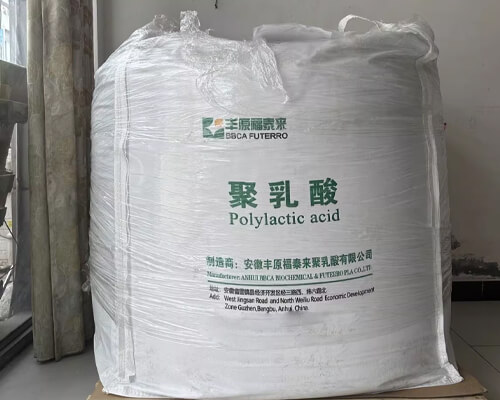
Long before PLA ever hits a bag or a spool, it starts in our tanks, fermenters and reactors. Our daily reality centers on efficiency, reliability, and translating material science into steady productivity. Over the years, at Anhui BBCA, we have watched industries shift gears towards bio-based resins—driven a lot by demand for sustainable alternatives and real operational needs. FY801, FY802, and FY804 rise directly out of actual pressure points we have faced ourselves. Think less about “innovation for the sake of innovation,” and more about solving regular in-plant headaches. FY801, FY802, and FY804 each emerged because one size never truly fits all. Our experience over thousands of tons tells us small tweaks—melt flow, optical clarity, thermal properties—end up driving big operational consequences. Take film extrusion. A customer in food packaging starts talking about stereochemistry and the nuances between 801 and 802, but on our end, those nuances exist because changing a polymer grade turns a line from stuttering every half-hour into one that produces day in, day out, with fewer off-cuts. That’s where these different grades matter: operational time, waste rates, and not just environmental benefits, but cold, hard cost structures. When the market asks for low-carbon footprints, our approach as a manufacturer is to pick apart practical hurdles—feedstock consistency, fermentation yield, polymer uniformity, all the bottlenecks that don’t make for glamorous press releases, but hit a processor’s bottom line. FY804, for instance, came from feedback about film stiffness and transparency. That didn’t come from a product marketing brainstorm—it came from shipments coming back or calls from converters whose lines jammed mid-run. So we had to look at lactide ratios, tweaks in synthesis, adjust molecular weights, and see how far we could push optical performance in a large-volume reactor without ballooning unit costs or complicating time-to-market. Results didn’t always arrive on the first trial, either. We’ve scrapped whole production lots that missed the mark. Real progress often follows troubleshooting. Our R&D and plant engineers sit together regularly, cutting through easy answers with batch data, not conference room opinions.We learned early not to trust wishful thinking. End users want PLA resins that actually run as promised on their equipment, not just what looks good on a spec sheet. Every time a downstream partner switches to one of our grades, we get calls about resin drying, feed throat bridging, and temperature setpoints. No two extruders act the exact same way. FY801 offers better melt strength for stretch film and blown film, especially where a converter wants elasticity without cranking up line temps or adding exotic additives. We track batch variability obsessively, because swings in molecular weight or residual monomer can translate to brittle film, opacity issues, or bag splitting under normal loads. Feedback sometimes stings, but transparency beats glossy marketing. Our tech staff visit customers and sometimes run a dozen pilot coils before lines run steady for a full shift, logbook clean, no late-night troubleshooting. FY802 garners attention because its lower melt flow works for rigid clamshells or thermoformed trays, letting processors run heavier gauge without edge tearing or tool fouling. In high-heat months, workshops appreciate how it holds form and takes prints clearly, no “creep” or deformation at typical sealing temps. For FY804, the demand stems from the food service sector—straws, lids, cutlery—where tactile comfort and protein contact resistance often mean the difference between adoption or costly customer returns. The challenge, always, rests in balancing processability with actual end-use experience. Processors test cups for resistance to hot coffee, cold tears, anything they’ll see in stores. Our feedback sessions don’t fixate on polymers in a vacuum. They loop in discussion of cost per article, warehouse conditions, even regulatory audits that influence raw material acceptance.PLA as a category gets a lot of attention for cutting petrochemical use and carbon emissions. That part reflects real work—scaling lactic acid production with renewable feedstock means wrestling with variable crop supply, weather risk, and cost-of-goods calculations that swing with global agriculture. In practice, securing stable, local raw materials like corn and beet sugar means locking in contracts, overseeing fermentation yields, and making sure no single point of failure knocks out a whole month’s supply. Our fermentation teams push for yield maximization not just for cost but to avoid waste, since upsets tend to lead to off-spec lactic acid, which drags down both efficiency and sustainability outcomes. Beyond the plant, questions about compostability create friction. Many customers want compostable products, yet actual infrastructure lags far behind, whether in Europe, North America, or Asian markets. We field technical queries daily: “Where do these cups go after use?” Even where composting rules look supportive, actual recovery rates remain low. From our side, we meet EN13432 and ASTM D6400 on paper, but admit the infrastructure picture is incomplete. Our approach involves collaborating with downstream partners to pilot collection systems, close the loop, and monitor how product behaves in the real world, under real-world conditions. Internal testing, from controlled composters to municipal-scale tests, happens continuously. We work with labs and waste authorities, knowing products pitched as ‘green’ can become landfill if the rest of the value chain isn’t ready. That challenge keeps us focused on practical partnerships, not just regulatory checkboxes.Cost conversations have sharpened as demand for renewable polymers grows. No one keeps plants running if materials can’t compete, both on cash outlay and operational throughput. Fluctuation in global corn and sugar prices plays out directly on our sourcing bills and then into processor input costs. Energy, logistics, and labor aren’t getting any cheaper either. From the factory side, our focus stays on optimizing yields, reducing batch variances, and minimizing power use at each processing stage. Continuous improvement is more than a poster on the breakroom wall. Our teams track steam, water, and cleaning costs weekly. Even small steps—heat integration between fermenters and reactors, smarter filtration, or reclaiming process water—help balance books and stay ahead. Supply chain disruptions hit hard: any delay in feedstock or vital chemical means immediate scheduling problems. To buffer those risks, we keep tight inventories, work with diversified suppliers, and maintain backup plans. Freight shifts, both container rates and land transport, add a layer of unpredictability. As one of the largest PLA producers, scale helps us ride out some market swings, but volatility never pauses. Our conversations with partners, from large converters to specialty packaging startups, tend not to sugarcoat these realities. If PLA prices jump, it traces back to concrete issues, not market speculation or price gouging. Everyone in the value chain faces these realities and benefits from honest communication up and down the line.PLA is not just about green credentials or material specs, but about transferring research breakthroughs into full-scale production that stands up to decades of commercial realities. Our transition from pilot to production for the FY800 series involved hundreds of hours on equipment, bench chemistry, and refining QA protocols that actually catch what matters on the plant floor. We built our process lines so engineers could swap out lactic acid streams for faster product switches or introduce real-time monitoring without halting everything for hours. Design-for-maintainability isn’t theoretical here; it keeps tonnage flowing. We get requests for custom blends or property tweaks—one customer may want enhanced barrier, another needs specific impact resistance for transport packaging. By working closely with production and R&D, solutions get tested under output rates that match real client orders, not just lab-scale “successes.” Tracking every hiccup from line stoppages to operator feedback shaped how we evolved the FY801, FY802, and FY804 grades. We value regulatory alignment—most markets today do—but always modify based on local realities. Not all requirements are written into law or appear on certificates: they come through conversations with on-the-ground teams who test materials in actual use cases, not sterile compliance checklists. That two-way street stands at the root of real product advancement. No two sites, regions, or seasons produce exactly the same outcome, and our teams respect those differences by tuning grades and process parameters as partners request. If a property needs to shift for a specific product, we try it. Failures become part of the toolbox, not a reason to standardize one-size-fits-all materials.PLA has grown, but daily life inside a working chemical plant humbles claims about overnight revolutions. Decisions about grades like FY801, FY802, and FY804 get shaped far less by marketing departments than by the workbench, shift log, and customer install. Improvements come slow—sometimes a composition tweak means days of recalibrations and checks to confirm nothing on a major conversion line slips out of specification. The pressure to keep pace with regulatory changes, new demands from big brands, and shifting economic realities falls largely on our teams in both R&D and manufacturing. Developing new PLA grades or scaling up bio-based production looks as much like hard labor as high science. Partnerships carry weight. Listening to what processors, OEMs, and brands truly face—equipment quirks, real inventory struggles, frontline labor shortages—sets the direction of our in-house engineering. That isn’t just rhetoric. Continuous improvement means more than process posters or slogans: it’s months spent debugging mixing faults or separating out minor process impurities that customers can see in their final product. Commercial success depends not on buzzwords but on reliability, transparency, and a constant willingness to refine. The PLA sector’s future depends on a thousand changes—materials, techniques, supply chain shifts, and real customer trust, not just regulatory compliance or marketing campaigns. We keep producing, testing, fixing, and listening—because no chemical advancement is ever finished and each batch teaches us something new.

Read More

Anhui Fengyuan Pharmaceutical Co., Ltd.
2026-03-27

Anhui Fengyuan Pharmaceutical Co., Ltd.

Anhui Fengyuan Pharmaceutical Co., Ltd. stands out among manufacturers in China, not only for its production capabilities but for the way it has influenced the environment where chemical manufacturing and pharmaceuticals come together. From our factory floor, every decision we make draws a direct line to two questions: How do we deliver value with quality, and what measures give customers confidence in every shipment? Watching companies like Fengyuan over the years, it’s hard not to notice the gap that forms between tradition and innovation. This is a company that has put major resources into refining the process, adopting better technology, and supporting steady growth, even in the face of shifting economic conditions and rising safety regulations.Pharmaceutical manufacturing in China has no shortage of moving parts. Everyone knows that upstanding manufacturers feel the pressure to keep operations clean—literally and figuratively. To keep pace, plant managers keep their eyes on local and international standards, wrestling with raw material quality, machinery investment, and traceability. Anhui Fengyuan has weathered government inspections and audits side by side with us. We all know that a single flaw in a batch can set a project back months or lead to a recall. To maintain reliability, chemical companies rely on robust systems, experienced technicians, and a culture that emphasizes training and accountability down to every shift. That is a lesson you learn only after seeing both failures and triumphs up close. Embracing continuous improvement avoids major letdowns down the line.Any seasoned chemical manufacturer learns that transparency filters down to every barrel that leaves the warehouse. When questions arise about a product, customers want traceable documentation—test reports, batch histories, certifications—that tie back to the origin of each input. Fengyuan’s approach toward openly sharing audit results and technical support signals respect for downstream users: people whose livelihoods depend on stable supply and consistent results. In places where regulatory oversight tightens, many companies in this region have copied a page from this book. Instead of hiding behind high fences and thicker paperwork, opening shop doors has helped us all build stronger international relationships. Problems still crop up—every technician knows nothing runs perfectly—but when suppliers show receipts for their quality effort, they earn more than a sale; they win trust rooted in proof, not promises.Operating at scale inevitably magnifies the smallest problems. Several decades ago, a local plant could correct a single process error with a wrench and a roll of tape. These days, an overlooked detail in a large batch ends up costing dearly in waste, downtime, or penalties. Companies that invest in automation, statistical process controls, and digital management—like Anhui Fengyuan—remove the guesswork. Over the years, I’ve noticed how their quality teams work double-time, running real-time monitoring and cross-checking every step underneath production deadlines. They don’t just point to an ISO certificate on a wall; they train staff to document process changes and catch deviations during the shift, not after shipments have left the dock. The competition in China forces us to keep our house in order: outdated factories chasing lower costs always hit a wall when quality concerns make customers pull orders. Investing in upgrades—training, digital batch recording, environmental controls—ultimately keeps the lights on and customers coming back.Nobody can ignore the rising environmental and safety tide. Manufacturing chemicals or pharmaceuticals in any Chinese city draws a crowd of regulators, local residents, and customers worried about emissions, waste disposal, and worker health. A decade ago, the number of fines levied against plants topped many headlines. In recent years, stricter permitting, upgraded waste treatment, real-time emission monitoring, and targeted audits forced everyone to adapt. Anhui Fengyuan, like the rest of us, faces these demands. Balancing productivity with compliance hasn’t been easy. At the start, the move to greener processes sometimes brought delays and extra spending. Gradually, cleaner operations paid off in the form of longer permits, smoother audits, and higher acceptance in export markets. One look at the wastewater treatment system investments or the use of automated emergency shutdowns proves environmental priorities can coexist with business goals.The drive for higher standards never stops. Industry peers know the difference a well-managed plant can make in lifting perceptions about reliable supplies from China. Local networks—suppliers, universities, third-party labs—build the backbone of innovation. The push for better active pharmaceutical ingredients (APIs) or cleaner intermediates thrives where robust R&D and technical training meet investment in process equipment. Fengyuan’s repeat collaborations with academic teams and their willingness to open facilities for joint projects signals a commitment to improvement, not just expansion. No law or market pressure alone creates this environment—habitual openness, preparation, and technical investment does. Adopting digital batch tracking, predictive maintenance, and staff retraining routines may sap budgets but avoids million-dollar failures. Where companies slip up, their neighbors take a lesson and upgrade—creating value that ripples through the region.On the ground, none of these changes feels abstract. Real people run the mixers, test finished product, check waste streams, and double-check paperwork under buzz of alarms or during night shifts. Workers shoulder a burden to keep every operation aboveboard. Professional development grows important as process complexity rises. Practical training—reactions, equipment calibration, handling unexpected fluctuations—moves from the classroom into daily toolbox talks. Managements, like ours or Fengyuan’s, benefit when veteran operators return regularly to mentor the next generation. These routines build a culture of safety, discipline, and pride that stretches well beyond compliance. Stability and employee retention ultimately create the conditions for higher quality and productivity—a point often overlooked when headlines focus only on financials or accident statistics.International buyers maintain high expectations for every delivery they accept, shaped by strict documentation and performance standards at home. The message is clear: without documented consistency, long-term partnerships break down. Transparency, technical documentation, and ongoing support fill this gap. Proven practices—batch sample retention, responsive troubleshooting, regular site visits—show commitment to more than a number on an invoice. Innovations in packaging, smarter inventory tracking, and smarter forecasting tools also cut waste and keep projects on track. This push for higher standards marks a change from the “just ship it” attitude of the past. Buyers and manufacturers work together in choosing suppliers who build confidence from production to delivery. Open communication and timely problem solving shape reputation in a way no marketing ever could.Learning from peers like Anhui Fengyuan over decades in the business keeps us humble and hungry. New environmental limits, more complex formulations, and shifting export markets challenge every chemical manufacturer. Where problems emerge, the solution comes from inside—the sweat, skill, and standards we set for ourselves and our teams. No shortcut replaces steady oversight or a team willing to admit small failures before they become big disasters. As the bar for quality and safety keeps rising, the rewards grow for those who consistently get it right, batch after batch. Experience proves that sustained investment in quality, safety, and honest partnerships doesn’t just satisfy the law—it forms the core of a company built to last.

Read More
Anhui BBCA Pharmaceutical Co., Ltd.
2026-03-27

Anhui BBCA Pharmaceutical Co., Ltd.

Facing daily challenges in synthetic chemical and pharmaceutical production, we see industry peers push toward greater scale and automation. Mention of Anhui BBCA Pharmaceutical Co., Ltd. always draws attention across production facilities, especially for those of us who track regional evolutions in China's pharmaceutical sector. Many chemical makers look to the BBCA model for lessons in leveraging local resources and establishing integrated economies of scale. Their operation demonstrates how a company can combine upstream biomass resources with pharmaceutical synthesis and deep biochemical R&D capability.People underestimate how complex it is to marry agricultural inputs with regulated pharmaceutical manufacturing. BBCA has managed to tie agricultural sorbitol and other bulk sugars into both the feedstock stream and downstream medical product lines. This points to a practical understanding of vertical integration. Our engineers spend years refining purification and crystallization processes for active ingredients and excipients. At BBCA, the focus has long been on keeping the feedstock quality stable, which lets them build reliability into finished pharmaceuticals. Fewer surprise batch deviations translate straight into more consistent supply for hospitals and drug packaging customers. It takes strong R&D and stubborn problem-solving to make bulk sorbitol and its value-added derivatives meet pharmaceutical requirements year after year. Our own labs frequently target residue and impurity profiles that shift with each growing season, so seeing a competitor manage these challenges at scale holds valuable lessons.Sourcing raw materials forms the backbone of any process-oriented manufacturer. Flourishing in Anhui province means BBCA can draw on steady local agricultural production, which keeps transportation costs down and shortens supply cycles. This setup brings environmental advantages, which regulators and partners increasingly demand. Many pharmaceutical buyers and brand drug companies now set tight audit and environmental disclosure guidelines. BBCA’s investment in “green” supply chains aligns with moves by global customers, helping them punch above their regional weight. Companies set up for short-cycle production without far-flung freight routes find it easier to defend their carbon footprint under audit, and that goes beyond ticking boxes for regulators—it speaks loudly to procurement managers under pressure to report Scope 3 emissions. Even inside our walls, we notice growing requests for documentation on renewable origin of pharma inputs. Forward-thinking manufacturers see these trends and push their own supply partners to clean up “hidden” logistics.Lean inputs, faster logistics, and energy efficiency drop operating costs and reduce ecological impact. Fewer companies can achieve this without sacrificing flexibility or speed. So, industry competitors monitor Anhui BBCA’s approach as a possible template for building new assets—and as a serious threat. For seasoned operators, the ability to retool lines according to local crop yields, energy prices, and seasonal surpluses is an everyday hurdle. BBCA’s regional resource clustering helps manage these issues, and as a manufacturer, we break down such approaches for possible application in our own supply networks. Operational discipline flows directly from these efficiency gains.Success breeds scrutiny. BBCA contends with increasingly rigorous Chinese and international inspection regimes. For those of us in pharmaceutical manufacturing, keeping pace with regulatory revision feels like running a marathon at a sprinter’s pace. Inspections by China’s NMPA, the U.S. FDA, and various European authorities mean maintaining internationally harmonized documentation, validating every step of the process, and backing every claim with real-world data. Last-minute document gaps and technical issues become costly—potentially closing doors to whole markets. We have lived through batches held at the border while compliance audits grind through traceability logs and validation paperwork. Navigating the intricate standards of both Western and Chinese drug authorities takes more than compliance managers. BBCA’s ability to ship at volume into heavily audited destinations serves as proof to fellow manufacturers that smart investment in quality management personnel and digital systems pays off.BBCA also feels the squeeze from global competitive pricing on established generic actives and intermediates. Our own profit margins shrink every year under pressure from both big multinationals and aggressive Asian peers. BBCA copes by deepening specialization in select chemical nodes, focusing process expertise, and embracing new fermentation and biotransformation technologies to compete against low-margin, price-driven rivals. The push toward proprietary process tech, rather than chasing scale alone, marks a meaningful shift in China’s pharmaceutical manufacturing playbook. For us, process tweaks and technological advances often spell the difference between turning a profit on a run or losing it all. BBCA’s sustained investment in pilot plants and joint research programs lowers barriers to process innovation, offering a roadmap for mid-sized firms hoping to climb out of the low-cost commodity trap.Teams that drive growth need strong technical roots. High-volume API production relies on experienced chemists, engineers, and quality experts. Attracting, training, and retaining these professionals ranks as a bigger challenge than ever, especially away from established coastal clusters. BBCA maintains links to local universities and vocational schools, drawing on both cutting-edge researchers and hands-on plant workers from the region. We recognize the value of knowledge passed down through generations of workers who know what a process “looks and feels” like—and blending that intuition with new analytical tools. BBCA’s rising product pipeline, rooted in biochem and green chemistry, demonstrates the payoff from continuous reinvestment in people and labs. As regional economies ramp up government incentives for R&D, firms that embed talent development within operating culture take the lead. In this environment, a company ignoring technical depth soon finds itself outpaced. Our own HR and technical managers now structure internship and upskilling programs to tap pools of fresh graduates and convert hands-on practitioners into problem solvers ready for more sophisticated roles.BBCA also stands out for its embrace of information technology and analytics. Legacy chemical makers sometimes shy away from digital upgrades, due to cost, complexity, and reluctance to expose shop floor operations to external scrutiny. Forward-looking groups see value in process analytics, real-time remote monitoring, and digital traceability—both for compliance and for proactive maintenance. We have witnessed downtime drop and output rise after implementing digital twin systems for reactor scheduling and utility optimization. When BBCA brings AI-driven analytics onto the factory floor, others pay attention.COVID-19, international shipping turbulence, and energy price volatility underscored the high stakes for pharmaceutical manufacturers. BBCA’s focus on proximity sourcing, logistics, and buffered inventory works as a hedge against unpredictable shocks. Distributed manufacturing models, which include multiple plant sites with flexible output plans, now seem less risky than single-monolith strategies. Manufacturers who learned to simulate scenarios, pre-position critical inventory, and prequalify backup vendors managed to keep more contracts active through supply disruption. The pattern of combining local depth with multinational reach, as BBCA attempts, brings advantages in an age of persistent uncertainty. Inside our firm, scenario-planning exercises and digital logistics dashboards now shape monthly operations. This approach, once seen as an optional safeguard, has become essential practice.As regulatory and market forces evolve, so does the need for ongoing adaptation. BBCA's journey offers real examples for fellow manufacturers: value-adding to local resources, deep ties to research and training pipelines, and active pursuit of technology upgrades. In our experience, progress in pharmaceutical manufacturing takes resilience, active investment in talent, and stubborn attention to both technical detail and business partnerships. Periods of rapid change reward the operations teams who stay agile—never assuming today’s process wins tomorrow’s market. Our floors keep learning from BBCA, and their path offers as many practical lessons as technical ones.

Read More
Anhui BBCA Likang Pharmaceutical Co., Ltd.
2026-03-27

Anhui BBCA Likang Pharmaceutical Co., Ltd.

As a chemical manufacturer with decades of hands-on experience, I have watched the evolution of pharmaceutical production in China reflect larger shifts in science, market demand, and policy. Anhui BBCA Likang Pharmaceutical Co., Ltd. stands among those companies that have both ridden and shaped this wave. Their operations touch several layers of value: sourcing raw feedstock, refining processes, scaling up for industrial capacity, and embracing the continual push for higher quality standards now expected worldwide.China has poured significant resources into pharmaceutical manufacturing over the past twenty years. Regional firms like BBCA Likang bring to the table something that outside observers often overlook: a blend of local knowledge with the scale necessary to support research and production that global partners demand. Practical experience tells me that a company’s deep integration with its region—accessing local resources, retaining talent, and fine-tuning cross-sector partnerships—enables fast response to regulatory changes and customer requirements. For instance, securing stable supplies of glucose for fermentation processes ties directly to relationships with farmers and cooperatives in Anhui, where agriculture and industry intermingle.Looking deeper into chemical and pharmaceutical manufacturing, costs and efficiencies aren’t just driven by equipment or automation. Much depends on the strength of a production team’s technical foundation. BBCA Likang, drawing from a tradition of high-volume chemical synthesis, maintains continuous process improvement through tight feedback loops between the lab and the plant floor. Skilled operators, many of whom have spent entire careers refining their expertise, become the linchpin in troubleshooting, ensuring consistent product quality, and adapting process conditions on the fly when minor variations in raw materials arise. This boots-on-the-ground technical discipline consistently pushes us to match or exceed expectations from regulatory agencies and end-users.Environmental compliance now shapes every part of pharmaceutical manufacturing in China. Companies such as BBCA Likang invest heavily in wastewater treatment infrastructure, vapor recovery systems, and closed-loop recycling of solvents. These measures are not mere boxes to tick—real costs follow every effort to minimize discharge or reduce waste, and the only way forward lies in engineering solutions that balance environmental stewardship with economic realities. In my plant, we allocate a significant portion of our annual capital expenditures to pollution control technologies, knowing full well that failures in these areas can halt production and create regulatory headaches. BBCA Likang has demonstrated both willingness and ability to embed these practices at the core of its daily routines, and that approach resonates in increasingly stringent government audits.As global quality standards climb, manufacturers face rising challenges from both regulators and customers, especially from overseas pharmaceutical firms and multinational buyers. Documentation, traceability, and batch testing become central pillars of daily manufacturing life. Hands-on experience has taught me that shortcuts or lapses quickly backfire, especially in the context of audits conducted by US FDA or European regulators. Companies like BBCA Likang, who participate directly in international supply chains, must build strong internal laboratories and establish robust protocols for sampling, analysis, and recordkeeping. Finished products need to pass stability studies and impurity profiling that can withstand external review, often at a moment’s notice.Market dynamics also play a critical role. Shifting demand for generic pharmaceuticals, changes in health insurance policies, and sudden spikes in raw material prices drive both risk and opportunity. Large-scale manufacturing gives companies like BBCA Likang a degree of flexibility. By producing a range of intermediates and APIs, these plants can pivot if certain products trend upward or downward. From my perspective, developing technical cross-training among staff and maintaining diversified production lines are the best tools for managing these cyclical market changes. Both resilience and profitability grow when the workforce can operate, maintain, and adjust multiple production systems as needs shift.Technology transfer remains an ongoing challenge in the Chinese pharma industry. While national research institutes and university partnerships might identify process improvements or new drug candidates, manufacturers must shoulder the task of converting lab-scale results into tons or even kilotons of saleable product. This scale-up rarely flows as smoothly as theory predicts. Process bottlenecks, equipment fouling, and unexpected side reactions arise. In my own experience, close collaboration between R&D scientists and experienced plant engineers is vital. BBCA Likang, as a high-capacity operation, can draw from teams that blend deep theoretical knowledge with hands-on troubleshooting—this hybrid approach pushes successful technology transfer faster and with fewer costly interruptions.Commoditization marks another hurdle. As more firms enter the field, market margins thin out and intellectual property theft remains a real threat, particularly for high-value APIs and branded molecules. From my desk, investing in well-protected proprietary technology and patent portfolios is now basic risk management. Even practical steps like process secrecy, access controls, and digital monitoring bring immediate security against leakage of process know-how. I have seen firsthand that leading firms in this sector must stay a step ahead, not only in chemistry but in legal and digital protection.The COVID-19 pandemic underscored supply chain vulnerabilities. During that period, I dealt with delayed shipments, port closures, and fluctuating availability of critical inputs. BBCA Likang, operating large, vertically integrated facilities, demonstrated the advantages of self-reliance. Integrated supply chains, from fermentation to final API production, reduce dependence on external suppliers and allow better cost control and responsiveness. This kind of setup helps companies recover quickly when outside shocks hit, a fact that regulators and international partners increasingly prioritize.Global demand for sustainable pharmaceutical ingredients continues to grow. Not only do clients demand lower impurity profiles, but society and governments also focus on the carbon footprint and transparency of manufacturing processes. Companies like BBCA Likang, which continue investing in cleaner energy sources, more efficient reactors, and digital monitoring of emissions, position themselves at the leading edge of industry requirements. My own plant has benefited from investments in waste heat recovery and in-plant recycling loops, both of which generated long-term returns by slashing utility costs and meeting mandatory emissions caps.Looking ahead, collaborations with universities and research centers form a path toward smarter, more sustainable production. Trained staff, updated instrumentation, and direct participation in international conferences help bring fresh ideas into plant operations. Continuous improvement, not headline novelty, builds competitive advantage over time. No one-off breakthrough replaces years of incremental process refinement, cross-training, and a shared culture of technical excellence—from the control room to the packaging line.BBCA Likang and peer companies prove the value of integrating manufacturing depth, technical competence, and local rootedness. This blend not only positions them as suppliers for a fast-changing domestic and global market but creates a foundation for lasting industry leadership. Real improvements come from commitment to safety, environment, and quality taken up each day on the plant floor and in long-term strategic planning. It’s not a glamorous story, but inside every successful manufacturing run, the hard work and know-how of local teams make the difference customers and regulators look for.

Read More
Anhui BBCA Biotechnology Co., Ltd.
2026-03-27

Anhui BBCA Biotechnology Co., Ltd.

As a chemical manufacturer that has watched the landscape shift over the past few decades, seeing the ascent of Anhui BBCA Biotechnology Co., Ltd. brings certain realities into sharper focus. Their progress, built on a foundation of fermentation and renewable resources, shows how industry moves far beyond just capacity expansions or generic output. Exceptionally large and rooted in China’s agricultural strengths, BBCA has focused on transforming crops like cassava and corn into lactic acid, citric acid, and derivatives that reach food, pharma, and material markets worldwide. This points to a strategic alignment that many of us in manufacturing must pay close attention to: sourcing locally, minimizing fossil input, and capturing value through full vertical integration.For those running reactor lines and overseeing evaporation towers, BBCA’s chosen model sets a bar. Large-scale fermentation using non-GMO raw materials reduces pressure on petroleum-based feedstocks. Many wish such bio-based pathways were routine, but reality brings hurdles. Not every plant can secure millions of tons of local corn, and the logistics of byproduct handling require close cooperation with both farmers and regional government. BBCA invested in scale—high-capacity fermentation tanks, aggressive byproduct utilization, and energy integration that manages both product yield and environmental controls. This is a lesson for any manufacturer: keep resource loops tight, squeeze every possible value-stream from your inputs, and always stay ahead of rising compliance and sustainability demands.Experience tells us no manufacturing system remains static. Looking at BBCA’s recent innovations in biodegradable plastics—from polylactic acid to thermoplastic starch compounds—one clearly sees the value offered by controlling feedstock, intermediate, and finished material in one line. Commercializing green plastics is challenging. Many labs have made pilot batches; few have found the engineering logic and supply consistency to switch global brands away from traditional polymers. BBCA took the risk with full-blown production lines, even before the full market profile emerged. They likely wrestled with fluctuating raw material prices, process bottlenecks, and the headaches of industrial scalability—issues every chemical manufacturer faces. When one factory gets the cost curve down and matches it with technical support, it compels the rest of us to reexamine our own conversions and cost structures.The environmental impact cannot be sidestepped. Industrial fermentation, even with renewable inputs, produces waste streams—mainly high-organic-content effluents. BBCA took steps to recover value from these streams, focusing on fertilizer production, biogas, and water recycling. Regulations in China have tightened in recent years, and these rules force every plant manager to think beyond minimum compliance. Increasingly, regulators in Europe and North America check up on the footprint and audit the whole value chain. BBCA’s published environmental disclosures and public investment in treatment infrastructure send a clear message across the manufacturing world: the era of unchecked discharge is over. Automation, online monitoring, and reporting are no longer luxury options, but gatekeepers for export eligibility.Market volatility remains a constant guest at the manufacturing table. BBCA scaled up with a deep understanding of logistics—locating production centers near rail hubs and waterways, keeping transportation costs contained. Whether you operate in China, India, or the US, the message lands the same. Companies that optimize not just factory physics but raw material purchasing, logistics, and client delivery timelines gain an edge, especially in uncertain global scenarios. Margins tighten when feedstock prices swing or when logistics lines clog. Those who can balance forward contracts, diversify supplier bases, and redirect output for best returns will stand tallest. BBCA has demonstrated that flexibility comes with scale, but only if every link in the supply and change chain has enough resilience built in.Product quality and consistency stand front and center as dealmakers with multinational clients. BBCA invested early in advanced analytics, in-process controls, and third-party certifications. Buyers for food or medical polymers expect traceability and contamination-free assurance on every lot—there’s little room for shortcuts. Many recall the years of suspicion that followed food additive contamination scandals; since then, companies have fought hard to win trust back, investing in not only technology but in transparent business practices. BBCA’s clear shift toward independently-audited management systems, customer audits, and global food/pharma certifications show that anyone pushing for international credibility cannot simply match technical specs—they must prove quality every shipment, every batch.Climbing up the value ladder, BBCA’s development of downstream applications—pharmaceutical excipients, food-packaging materials, even green solvents—should spark conversations within technical and commercial teams everywhere. Diversification requires careful R&D budgeting, testing protocols, and a management team open to risk. Adding new lines is not like turning on another fermenter; it pulls personnel, capital, and management focus. Those who’ve navigated these waters know how often a promising diversification falls flat due to a lack of product-market fit or client readiness. BBCA’s broad outreach—establishing client partnerships in Japan, Europe, and North America—shows they did not assume a domestic market would always be enough. They moved out, learned from client feedback, and adapted their products with each cycle.Geopolitical shocks and shifting trade policy impact every chemical business. BBCA faced anti-dumping investigations, regulatory hurdles, and shifting tariff regimes. People working in this industry get used to reading shifting compliance requirements from every major import bloc. Damage control means not just having lawyers, but flexible logistics, alternative shipping routes, and comprehensive documentation ready for inspection. Today, the expectation for due diligence on raw material origin, carbon emissions, labor practices, and downstream usage has become a new normal. As sanctions come and go, as carbon border taxes emerge, every manufacturer must update their playbooks just to stay in the game. BBCA’s size and integration give them more room to absorb the blows, but the risks for all chemical makers remain similar, just at different scale. Talent and skilled staff keep factories running and innovations flowing. BBCA drew heavily on university partnerships and built internal training programs. Any manufacturer knows how tough it can be to find operators who can handle automated fermentation lines or engineers who understand both process integration and compliance rules. Retaining talent takes more than competitive wages; investing in technical education, career progression, and a culture of safety and transparency pulls in motivated people and keeps their skills sharp. BBCA built technical centers, funded scholarships, and drew in young professionals who wanted to work on greener chemistry for growing industries. Keeping people engaged and trained is not a slogan; it’s daily reality for every plant and lab.The sheer size of BBCA’s output, their vertical reach, and their public commitment to renewable-feedstock chemistry act as a benchmark for those of us working to modernize old plants or justify new investments. As stricter regulations on emissions, carbon accounting, and product safety multiply, the BBCA story is a reminder: meet challenges head-on with technical depth, commercial agility, and long-term commitment to both the environment and community. Their experience underscores the need for resilient supply chains, robust compliance programs, and continuous innovation—no matter where factories are built or how markets evolve.

Read More
Anhui BBCA Biochemical Co., Ltd.
2026-03-27

Anhui BBCA Biochemical Co., Ltd.

Day in and day out, we see headlines tossing around the name Anhui BBCA Biochemical Co., Ltd. as if it’s just another badge on a long list. The truth feels different at the ground level. BBCA stands out, not just on paper, but in the shape of real vats, fermentation towers, and an entire network of workers and engineers who make the wheels turn. Commitment to high-volume production of biodegradable plastics, citric acid, and ethanol isn’t a slogan—these are real outputs fueled by years of combining local resources and technological skill. For years, we’ve watched smaller labs in China fade away after chasing consumer trends, while BBCA kept growing through investments in equipment and continuous technical upgrades. That builds up expertise you can't borrow or fake, and it shows in how clean the output runs, how consistent the quality remains even as orders scale up to international levels.Compared to outfits that simply repackage or rebrand, BBCA runs large integrated facilities with processes covering raw material selection, fermentation, downstream purification, and waste recycling. Few outsiders realize just how many moving parts have to mesh perfectly in sequence. We know—upstream breakdowns, impurities, or interruptions in supply chains quickly turn into off-spec products or environmental headaches. BBCA’s genuine edge shows up whenever new production lines start feeding resources back into established ones, using recovered process water and self-generated energy. There’s pressure at every step, not just to maintain regulatory compliance, but to anticipate what government and export clients care about next. That kind of anticipation takes real field experience, meetings with local officials, and staying in touch with users in food and packaging sectors—not just reading market reports.Too much media talk circles around “green development” as an empty phrase. Our team believes sustainability has to make practical sense, not just nice speeches. BBCA demonstrates this reality. The company moved aggressively into PLA and bio-based plastic production long before market demand matured. This early push posed real financial risks, but it drove down costs through operational learning curves. Now, when stricter regulations squeeze out high-emissions producers, BBCA doesn’t scramble—they’ve already revamped plant designs and gone through the headaches of waste-to-energy integration. That means less landfill, less fossil dependence, and more bargaining power with multinational buyers—advantages you can only build with steady work, not shortcuts.From the inside, real pain points show up differently than in reports. Handling variable corn supplies during a bad harvest, or adjusting enzymes when feedstock quality shifts, takes skill. Heavy rains or droughts in northern China ripple all the way down to the fermentation vessels. BBCA has tackled these issues by holding long-term contracts with local farmers, blending multiple feedstock sources, and investing in in-house labs for rapid quality checks. It isn’t always smooth—last year, a spike in energy costs forced BBCA to reoptimize several stages of evaporation and cooling, with engineers working overtime to maintain cost margins. The learning from these efforts isn’t theoretical. We’ve seen production teams adapt, trim downtime, and tune process variables faster with every cycle. When the company claims “world-class” capacity, it’s earned from real troubleshooting—not just buying modern machinery.Quality assurance provides another window on what sets BBCA apart. Each day, dozens of product samples pass between the factory floor and the main lab. Adjustable standard operating procedures keep the lines moving, but the real bedrock comes from continuous personnel training and long-term investment in equipment. Getting a batch of citric acid granules to meet a beverage manufacturer’s strict microbial spec isn’t just about turning dials. Operators need to notice that slight changes in pH or agitation speed produce subtle differences, and they have to care enough to log each one. BBCA maintains teams who stick around, not just chasing fast promotions, so there’s genuine institutional memory. The result: fewer surprises, faster response to customer feedback, and a low share of rejected shipments compared to industry averages.We see regular stories discussing job creation or tax revenues, but the more important story emerges in the quieter details: local partnerships run deeper than slogans. BBCA’s sustained growth means more stable purchasing from grain suppliers, not just a revolving door of contracts. Farmers benefit through buyback agreements that help weather the boom-bust of cash crop markets, while the company gains a more predictable input stream. Beyond supply chains, each expansion wave has brought new apprentices, technicians, and managers into the fold, some from the same farming counties that supply feedstock. That matters in places with fewer job options than big coastal hubs.Every major project sparks environmental anxieties. On the ground, real trust only builds through transparency and visible pollution controls. At BBCA sites, visitors see upgraded wastewater treatment units, not just press releases about “sustainable development.” When villages downstream question the safety of process discharge, plant managers hold open forums and walk-throughs. We’ve joined these meetings, explaining what water samples show and where further upgrades are coming. Not every concern disappears overnight, but openness builds longer-term credibility—and reduces regulatory headaches down the line.Scientific research feels different within an operating factory than at a university bench. BBCA funds its own pilot lines for new polymer types and fermentation aids, not just relying on government grants or outsourced R&D. New methods go through repeated scale trials, and if setbacks hit, failures lead to better iterations—not excuses. Our people have helped test out bioreactor configurations, tune nutrient dosing, and co-author practical case studies with academic partners. This reflex to experiment, document, and refine gives BBCA the resilience to pivot when markets shift toward new grades of polymer, specialty acidulants, or custom blends.All this experience shapes our understanding of what separates a manufacturer like BBCA from surface-level players. Trust grows from decades of up-close problem-solving, not borrowed slogans or secondary sourcing. The industry keeps raising the bar, and it takes people on the ground, working side by side with local communities and building on hard-won operational insight, to meet the challenge. BBCA’s story continues to unfold in the factory aisles, across farms, and through the constant hum of equipment that doesn’t stop for buzzwords.

Read More