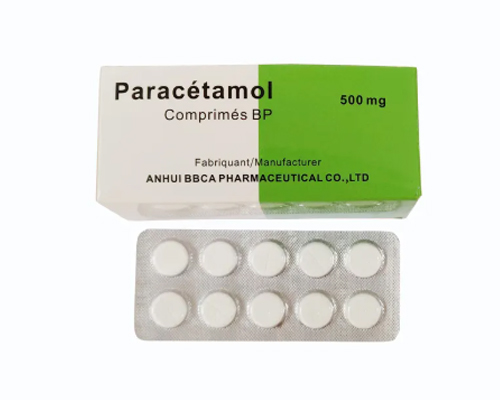
Anhui BBCA Pharmaceutical Co., Ltd. Supplies Paracetamol Globally
Paracetamol production stands right at the intersection of healthcare and manufacturing responsibility. Having spent years building out production lines, investing in purification processes, and developing strict quality control, we at Anhui BBCA Pharmaceutical know this work goes beyond contracts or logistics. Paracetamol remains one of the most widely used and trusted analgesics and antipyretics in the world. Hospitals, clinics, and national healthcare systems rely on its consistent supply. We have seen during peak periods—especially in global crises, flu surges, or unpredictable shortages—how critical our uninterrupted manufacturing activity becomes. Each ton that moves from the production reactor to the tablet press can translate directly into lower fevers and less pain for families in dozens of countries. Without reliable raw material sourcing, without skilled plant workers, and without the willingness to face new compliance regulations, the shelves in pharmacies might look very different. In this business, trust must be built on proof and repeat performance, not wishful thinking or temporary price incentives.Day after day, we navigate challenges unique to chemical synthesis and the realities of a global pharmaceutical market. Consistent paracetamol output requires more than an efficient process—it demands robust supply chains upstream and downstream. Global events show us that disruptions in feedstock availability, transport bottlenecks, or abrupt export restrictions ripple straight through to patients. We experience this first-hand each time a shipment lingers at port or customs changes their inspection protocols. Even a seamless synthesis, using proven acetylation and purification steps, faces the risk of interruption if any link weakens—whether it's external factors like shipping delays or internal factors such as equipment reliability. We have found value in forging direct partnerships with raw material suppliers, often visiting chemical plants in person to see operational standards before signing new agreements. This stability forms the backbone of our international commitments. Transparent communication with our health sector customers also makes it easier for planning teams to manage inventory. If we foresee a shift in production volumes or anticipate regulation changes, sharing updates early helps partners avoid last-minute surprises.At a facility like ours, regulatory scrutiny defines every operational aspect. Auditors from national agencies and international partners walk our production floors, review batch records, and confirm laboratory methods. Validation comes through documentation and hands-on proof, not just polished protocols. Each market we supply—whether Southeast Asia, Africa, Europe, or the Americas—places distinct standards for purity, microbial safety, and traceability. Fulfilling these requirements means more than box-ticking. It becomes a way of working that reaches from procurement to shipping. Our laboratories vet every incoming batch of raw material, not just for chemical composition but also for potential contaminants that can slip through supply chains. Finished product testing runs in parallel to routine process monitoring. This dual approach reduces recall risk and sustains public trust. Laboratory teams invest hundreds of hours in stability trials not only to meet shelf-life regulations but to ensure patients receive medicine with predictable clinical outcomes, even after months on the shelf.Periodic demand surges for paracetamol force every producer to re-examine their process flexibility. Pandemic waves and regional disease outbreaks have taught us not to rely on past consumption trends for future planning. Plants built for predictable monthly output must pivot rapidly when orders double or raw material prices spike. Our decades in this industry bring daily reminders that continuous improvement is not optional. We invest in capacity increases only after extensive scenario modeling, weighing the long-term utility of new reactors or packaging lines against fluctuations in global need. Workforce training never stands still either. Operators, chemists, and engineers revisit protocols and emergency response drills to ensure safe upscaling if crisis shortages strike. In our case, direct engagement with national purchasing bodies makes these transitions less chaotic. We are not content to send bulk shipments and disconnect. Our role includes offering guidance on shelf-life, local packaging standards, and storage conditions to maximize the value of every shipment after arrival.Chemical manufacturing leaves its mark on the environment. It falls on us to reduce emissions, minimize waste, and use water resources responsibly. Internally, we review each production step for ways to capture solvents, treat effluents, and send less to landfill. Regulatory pressure might drive the initial upgrades, but better process control and real-time monitoring provide measurable gains in energy usage and environmental performance. We also take seriously the impact our operations have on neighboring communities—noise abatement, transparent incident reporting, and participation in local economic development matter. These commitments stem directly from seeing the tangible consequences a single plant can have, whether through job creation, local water quality, or traffic flow. Over time, investments in process safety and environmental protection become less about passing inspections and more about sustaining support from the communities where our families work and live.Paracetamol occupies a unique space in the modern health landscape. It bridges the gap between accessible relief for everyday ailments and core pharmaceutical infrastructure for public health emergencies. Manufacturing this compound at global scale has tested us in ways few other products have. From technical batch failures and unpredictable demand, to evolving international regulations and environmental expectations, every challenge has reinforced the need for resilience and integrity at every level of our operations. Our experience shows that long-term partnerships, technical expertise, and a steady focus on safety and quality will keep this indispensable medicine available across borders, in hospitals and homes, wherever it’s needed most.